
Cold storage solution
Records cold store temperature and humidity continuously, reports a refrigeration failure before the cargo is damaged, and produces a record fit for an inspector or an insurer.
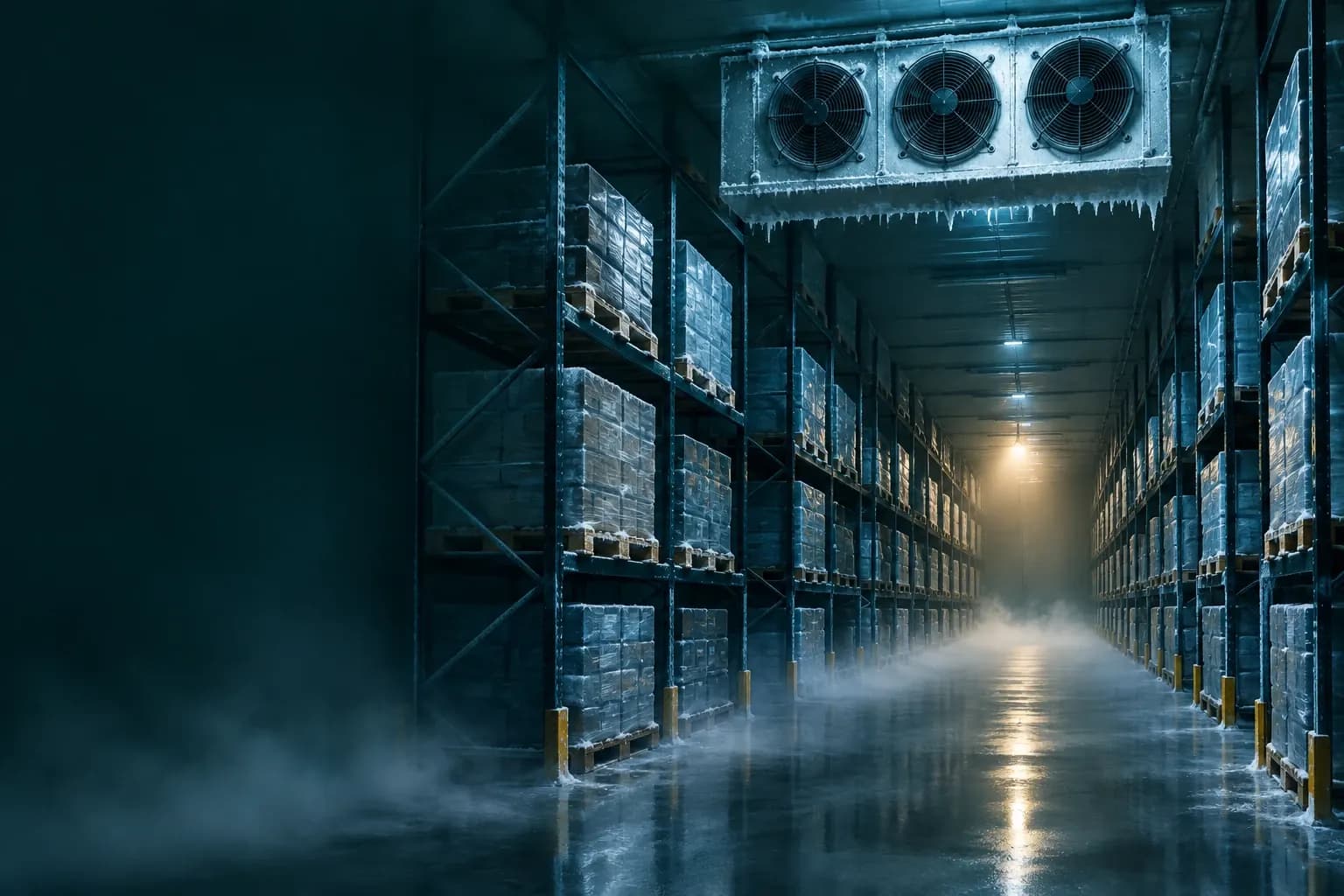
Why this monitoring is needed
A cold store is a room whose entire value comes down to one number: temperature. And that number is usually the one thing nobody records continuously. The dial on the door shows the instant you look at it, and a store that spent several hours above limit over the weekend reads correctly again on Monday morning.
Cold store failure is rarely sudden either. The evaporator ices, the condenser fouls, and the compressor works harder to compensate; days before the temperature moves noticeably, the compressor's duty ratio has already climbed. That trend is the only early warning there is, and without data it is entirely invisible.
And the third part is liability. When a consignment turns out spoiled, the argument between the owner, the store operator and the insurer begins. The only thing that settles it is a continuous, timestamped temperature curve.
What gets measured
Chamber temperature at several points
Near the door, mid-room and at the far end; temperature by the loading door is never the same as deep inside.
Relative humidity
For fruit and vegetables humidity determines shelf life as much as temperature does; low humidity wilts the produce.
Compressor operation and defrost cycle
Compressor duty ratio indexes the cooling load and flags evaporator icing — days before temperature moves.
Door openings
Every opening is logged with time and duration; most temperature excursions start here and cannot be explained without it.
Incoming power and generator
An overnight power cut is the most common cause of a lost load, and must be reported independently of the refrigeration plant itself.
Defrost water leaks
The defrost drain freezes and overflows; sensing cable on the floor catches it before the floor turns to ice.
Recommended equipment
Every model below is from the Fidar Electronics range. The final combination is set after a site survey or an engineering consultation.
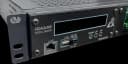
FCD6455-01
FIDAQUIRE FCD6455-01 Industrial Data Logger
Central logger with continuous reporting and XLS export for the inspection file
View product ←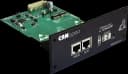
FBC0232-01
FBC0232-01 CANopen Input Card
CANopen card connecting several chambers on one cable
View product ←
FTR0100-01
PT100 Temperature Sensor
PT100 sensor for chamber temperature across −50 to 250 °C
View product ←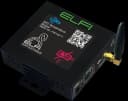
FTR0100-11
Wireless PT100 Temperature Sensor
Wireless PT100 for chambers where routing cable through insulated panels is difficult
View product ←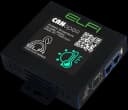
FTA3070-01
Temperature and Humidity Sensor
Temperature and humidity sensor for above-zero chambers and fruit stores
View product ←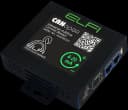
FAC0420-01
4–20 mA Current Sensor
4–20 mA input for a low-temperature probe and refrigerant pressure transmitter
View product ←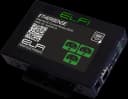
FAC2000-23
3-Channel Networked AC Current Sensor
3-channel AC current sensor for compressor, evaporator and condenser fans
View product ←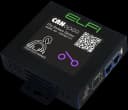
FDD0001-01
Dry Contact Detector
Dry-contact detector for the door micro-switch and refrigeration alarm output
View product ←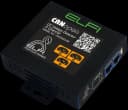
FAV0220-05
3-Channel AC Voltage Detector
3-channel AC voltage detector for mains, generator and the refrigeration panel
View product ←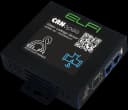
FDW0050-01
Water Leak Sensor
Water-leak sensor along the defrost drain and on the chamber floor
View product ←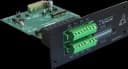
FDR0508-01
FDR0508-01 8-Channel Relay Output Card
8-channel relay card for defrost, standby cooling and the siren
View product ←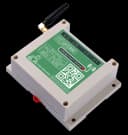
FWN0260-01
FWN0260-01 GSM Communication Modem (Dual SIM)
GSM modem for alarms during a power cut or a holiday
View product ←Alarm and automation rules
- 1
Chamber temperature outside the product band beyond the permitted duration: immediate alarm with the deviation logged in the load's file.
- 2
Temperature rising with the door shut: refrigeration-failure alarm, ranked above a door alarm.
- 3
Compressor duty ratio creeping up at comparable load: icing or fouled-condenser alarm, days before temperature moves.
- 4
Door held open beyond the allowed time: local alarm before temperature reaches threshold.
- 5
Power loss: GSM alarm with an exact timestamp, independent of site power and network.
- 6
Automatic daily and monthly XLS reports, as the health-inspection and insurance record.
What the operator gets
Losing a load to an overnight refrigeration failure or a power cut is effectively eliminated.
A refrigeration fault is caught while performance is merely dropping, not once the cargo is spoiled.
Every load carries a documented temperature curve, settling disputes with insurers and owners on data.
Health inspection is answered with an automatic report rather than an incomplete handwritten sheet.
Frequently asked questions
How low can the system go — does it cover −80 °C?
Fidar's PT100 reads −50 to 250 °C directly, which covers most industrial cold stores and food freezers. For colder duties — a −80 °C sample or vaccine freezer, say — a low-temperature probe with a standard 4–20 mA output is used and the system reads, logs and alarms on it. So −80 °C is covered at system level, but not by the PT100 itself.
Why monitor compressor current as well?
Because it is the only warning that arrives early. A cold store is insulated, and after a refrigeration fault it takes hours for the temperature to rise noticeably; wait for the temperature alarm and part of the rescue window is gone. A creeping duty ratio also exposes icing or a fouled condenser days before the failure.
Is one system enough for several chambers?
Yes. Each FBC0232-01 CANopen card supports up to 64 sensors and the logger accepts up to five cards. Thresholds are set per chamber, since chambers usually hold different products at different setpoints.
Isn't cabling through the insulated panels a problem?
It is, and that is why the LoRa wireless model is a common choice for chambers: no penetration of the panel is needed and pairing a node takes seconds. The system issues a per-node low-battery warning, so no chamber silently drops out of monitoring.
Related solutions
Want this solution on your own site?
Send us the site details and we will put together the equipment list and a technical proposal to match.