FDS0202-21
Networked Shock Detection Sensor
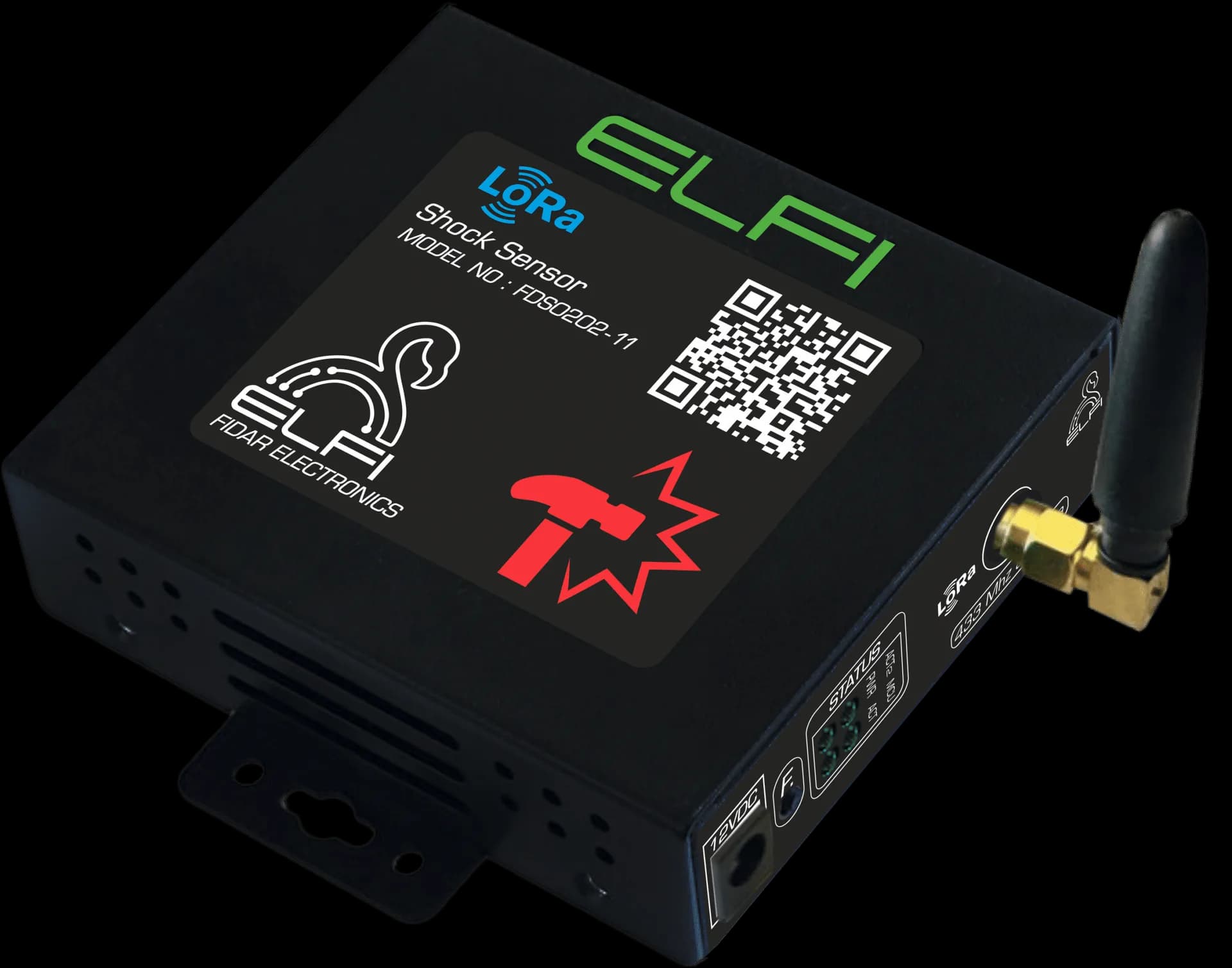
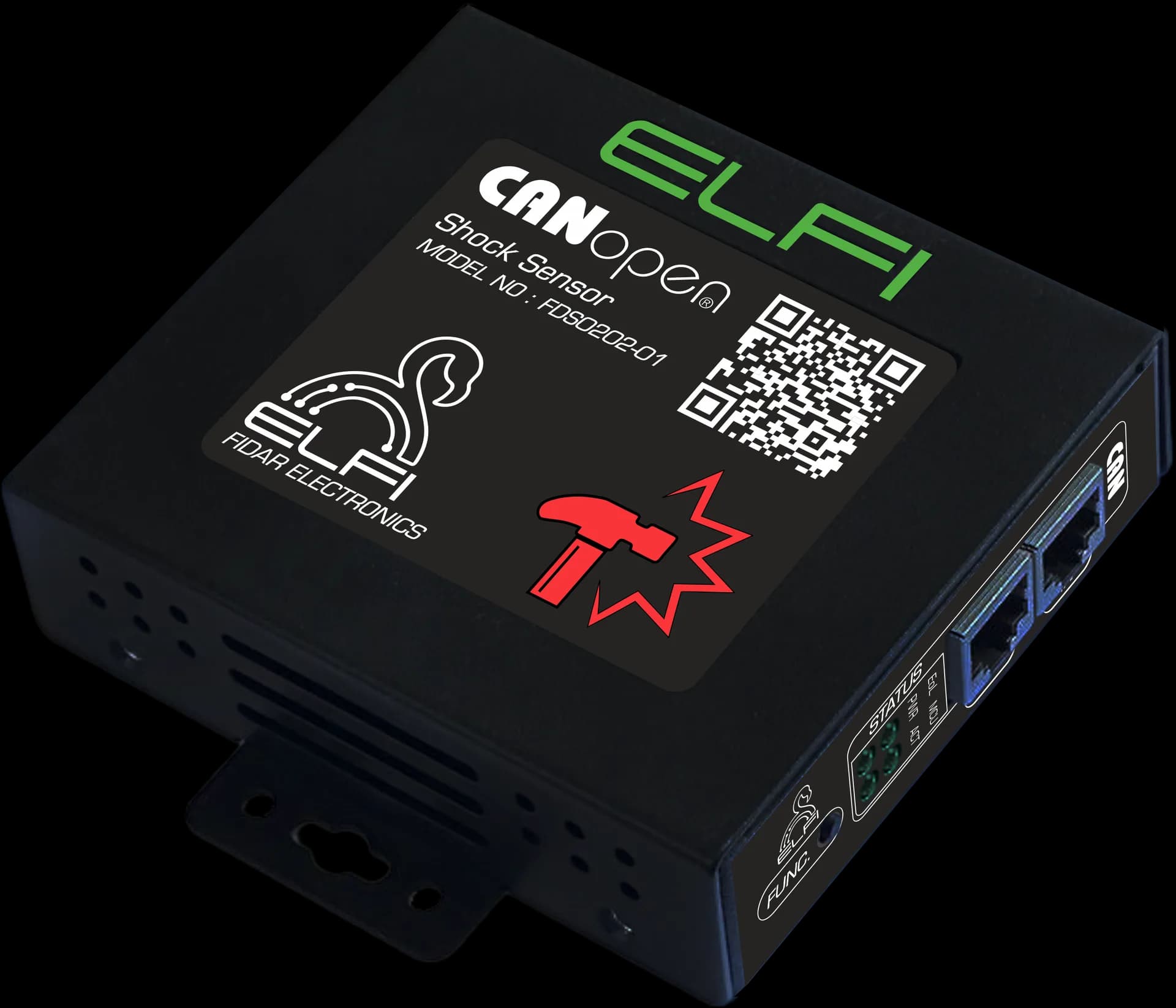
The Networked Shock Detection Sensor from Fidar Electronics detects horizontal and vertical impacts on a machine or structure and timestamps every event. It runs standalone on its own IP address with a built-in web page.
 Detects shock on both horizontal and vertical axes
 Timestamps every event for later review
 Tamper alerting for physical security
 Own IP address and built-in web page
 Powered by PoE or a 48 V adapter
 DHCP or a static IP address
 SNMP monitoring in PRTG and SolarWinds
 Alerts by email, internal relay and external siren
A shock sensor detects horizontal and vertical impacts on a machine or structure and records exactly when they happened. It has two jobs: security — tamper attempts, blows to a cabinet door, someone trying to force equipment open — and engineering, logging transit shocks or abnormal machine vibration that marks the start of mechanical failure. The value of a timestamped record is that the event stays accountable afterwards: you know when the impact happened and can tie it to a shift, a shipment or a repair.
Key features
Detects shock on both horizontal and vertical axes
Timestamps every event for later review
Tamper alerting for physical security
Own IP address and built-in web page
Powered by PoE or a 48 V adapter
DHCP or a static IP address
SNMP monitoring in PRTG and SolarWinds
Alerts by email, internal relay and external siren
Connectivity
Own IP, built-in web page, HTTP/HTTPS
PoE or 48 V adapter over a single network cable
SNMP output for PRTG, Zabbix and SolarWinds
Where it is used
Tamper and impact alerts on cabinets and equipment panels
Physical protection of server racks and telecom equipment
Abnormal vibration on rotating machinery
Logging transit shocks on sensitive shipments
Towers, structures and outdoor-mounted equipment
Alerting on attempts to open or move equipment
Installation
Bolt it firmly to the structure being watched — a loose surface or a soft mount destroys its sensitivity.