
Tower crane and site equipment monitoring
Monitors tower crane panel power, wind speed, running hours and site equipment status, giving both site safety and the maintenance plan a data basis.

Why this monitoring is needed
Wind is the number-one cause of tower crane stoppages and accidents, and the decision about it is usually made by eye. Wind speed at jib height is entirely different from wind at ground level, and that difference separates a correct call from an accident.
The second problem is the site plant: compressors, generators, concrete pumps and hoists are all mobile and none of them has a service history. Their maintenance is guessed at, and the result is a breakdown at the worst possible moment.
What gets measured
Wind speed at height
A 4–20 mA anemometer on the crane mast; the stop decision has to be made on that number.
Crane panel power
A power cut mid-lift is a hazardous condition and has to be reported at once.
Plant running hours
Motor current gives real running hours for the compressor, generator and hoist.
Generator fuel level
A site generator running out of fuel stops the works, and it usually happens without warning.
Access and equipment theft
Shock sensors and dry-contact detectors on site containers and panels log unauthorised night access.
Recommended equipment
Every model below is from the Fidar Electronics range. The final combination is set after a site survey or an engineering consultation.
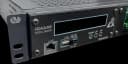
FCD6455-01
FIDAQUIRE FCD6455-01 Industrial Data Logger
Site logger with local recording and SMS alerts to the safety supervisor
View product ←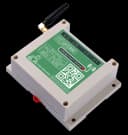
FWN0260-01
FWN0260-01 GSM Communication Modem (Dual SIM)
Dual-SIM GSM modem for a site with no fixed network
View product ←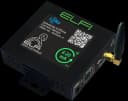
FAC0420-11
Wireless 4–20 mA Current Sensor
Wireless 4–20 mA input for the mast-mounted anemometer
View product ←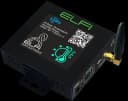
FTA3070-11
Wireless Temperature and Humidity Sensor
Wireless temperature and humidity sensor for site weather
View product ←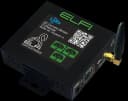
FAC2000-13
Wireless 3-Channel AC Current Sensor
Wireless 3-channel AC current sensor for scattered site plant
View product ←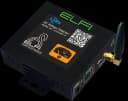
FDV0220-11
Wireless AC Voltage Detector
Wireless AC voltage detector for the site panels
View product ←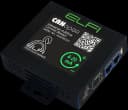
FAC0420-01
4–20 mA Current Sensor
4–20 mA input for the generator fuel-level transmitter
View product ←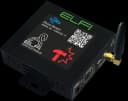
FDS0202-11
Wireless Shock Detection Sensor
Wireless shock sensor for site containers and panels
View product ←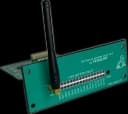
FWL1600-01
FWL1600-01 LoRa Wireless Card (16 Nodes)
LoRa receiver card covering the whole site with no cabling
View product ←Alarm and automation rules
- 1
Wind above the first threshold: warning to the crane operator. Above the second: stop-work alarm with siren.
- 2
Crane panel power loss: immediate SMS to the safety supervisor.
- 3
Any plant item reaching its service interval: automatic reminder based on real running hours.
- 4
Generator fuel below threshold: refuelling request before the works stop.
- 5
Impact or container opening outside working hours: timestamped security alarm.
What the operator gets
The crane stop decision is made on measured wind speed rather than a visual estimate.
Site plant maintenance moves from guesswork to running-hours based.
Overnight equipment theft is announced as it happens.
Frequently asked questions
Does this interfere with the crane's own safety system?
No. The crane's own load and moment limiters and interlocks stay untouched; this system only reads and reports. Any connection to the crane panel is made with the manufacturer or the maintenance contractor.
Our site relocates every few months — is the system portable?
Yes, and that is precisely why a wireless architecture is recommended for sites. LoRa nodes have no cabling and pairing a node takes seconds; the system moves to the next site with the crane and the plant.
Related solutions
Want this solution on your own site?
Send us the site details and we will put together the equipment list and a technical proposal to match.