
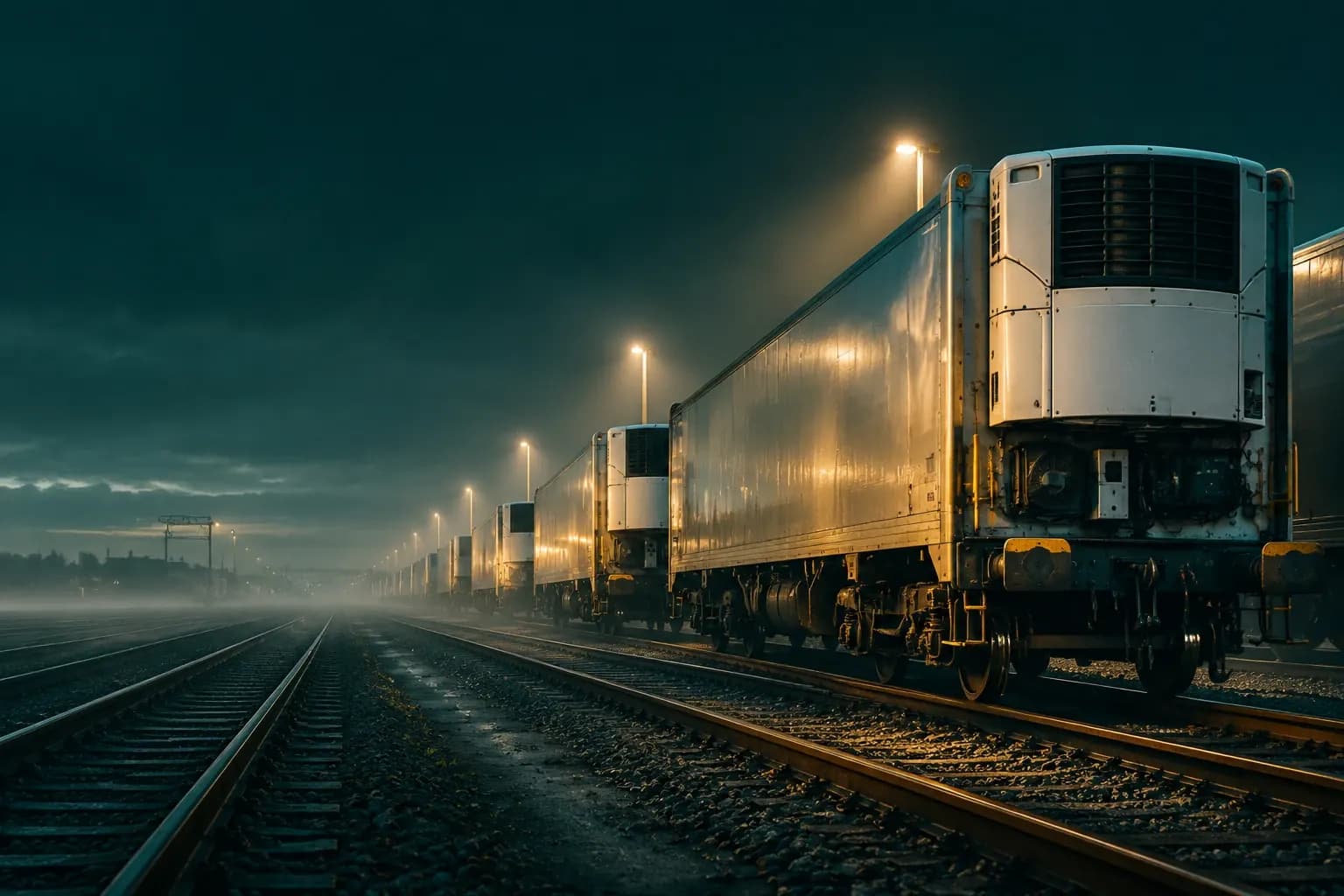
Rail reefer wagon monitoring
Records cargo temperature, refrigeration status and power in rail reefer wagons throughout the journey, making the rail cold chain evidential.
Why this monitoring is needed
Rail runs are longer than road and intermediate yards create stops of several hours. Throughout that time a reefer wagon depends on its own supply, and if the wagon generator or the power connection fails, nobody finds out until the destination.
The second problem is locomotive changes and wagon shunting. A wagon may be detached at an intermediate yard and stand for hours. Without data attached to the wagon itself, it is never established at which leg of the journey the excursion occurred.
What gets measured
Cargo temperature at several points
Temperature at the door end, middle and far end is read separately; distribution in a wagon is not uniform.
Refrigeration unit status
Unit current or a dry contact separates a refrigeration fault from an open door.
Wagon power and fuel
Battery voltage and generator fuel level decide how long cooling survives a long stop.
Wagon door opening
Every door opening is timestamped; in rail transport that is also a security record.
Shunting impact
Shunting impacts in the yard are the most common cause of physical cargo damage and need logging.
Recommended equipment
Every model below is from the Fidar Electronics range. The final combination is set after a site survey or an engineering consultation.
FCD6455-01
FIDAQUIRE FCD6455-01 Industrial Data Logger
Wagon-mounted logger with continuous local recording
View product ←
FWN0260-01
FWN0260-01 GSM Communication Modem (Dual SIM)
Dual-SIM GSM modem for intercity route coverage
View product ←
FTA3070-01
Temperature and Humidity Sensor
In-wagon temperature and humidity sensor
View product ←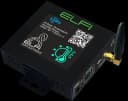
FTA3070-11
Wireless Temperature and Humidity Sensor
Wireless version for far-end wagon points with no cabling
View product ←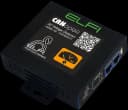
FAV0220-04
DC Voltage Level Sensor
0–24 V DC voltage-level sensor for the wagon battery
View product ←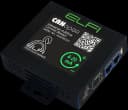
FAC0420-01
4–20 mA Current Sensor
4–20 mA input for the generator fuel-level transmitter
View product ←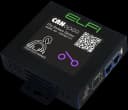
FDD0001-01
Dry Contact Detector
Dry-contact detector on the wagon door micro-switch
View product ←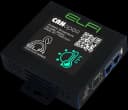
FDS0202-01
Shock Detection Sensor
Shock sensor recording shunting impacts
View product ←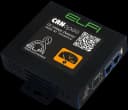
FDV0220-02
DC Voltage Detector
DC voltage detector confirming supply to the refrigeration unit
View product ←Alarm and automation rules
- 1
Cargo temperature out of band beyond the permitted period: alarm to fleet control naming the wagon.
- 2
Battery voltage or fuel level below threshold: alarm before the refrigeration unit shuts down.
- 3
Temperature rising with the door shut: refrigeration-failure alarm rather than a loading error.
- 4
Door opened at an intermediate yard outside the plan: security alarm.
- 5
Impacts above threshold logged with time and approximate location, for damage follow-up.
What the operator gets
The rail cold chain gains a continuous record and responsibility for each leg becomes assignable.
A refrigeration failure is announced en route, allowing intervention at the next yard.
Shunting damage is attributed to a specific time and place.
Frequently asked questions
What happens in tunnels and on routes without coverage?
The logger records on the wagon itself and uploads a gap-free history once coverage returns. For a cold chain it is that local record which completes the evidence; live connectivity is needed for alarms, not for documentation.
Where does the logger get its power on a wagon?
From the wagon's own supply with a backup battery, so recording continues through the gap between a supply loss and the generator picking up. That battery's voltage is itself monitored as a channel, since its decline is the early sign of a wagon supply problem.
Related solutions
Want this solution on your own site?
Send us the site details and we will put together the equipment list and a technical proposal to match.