
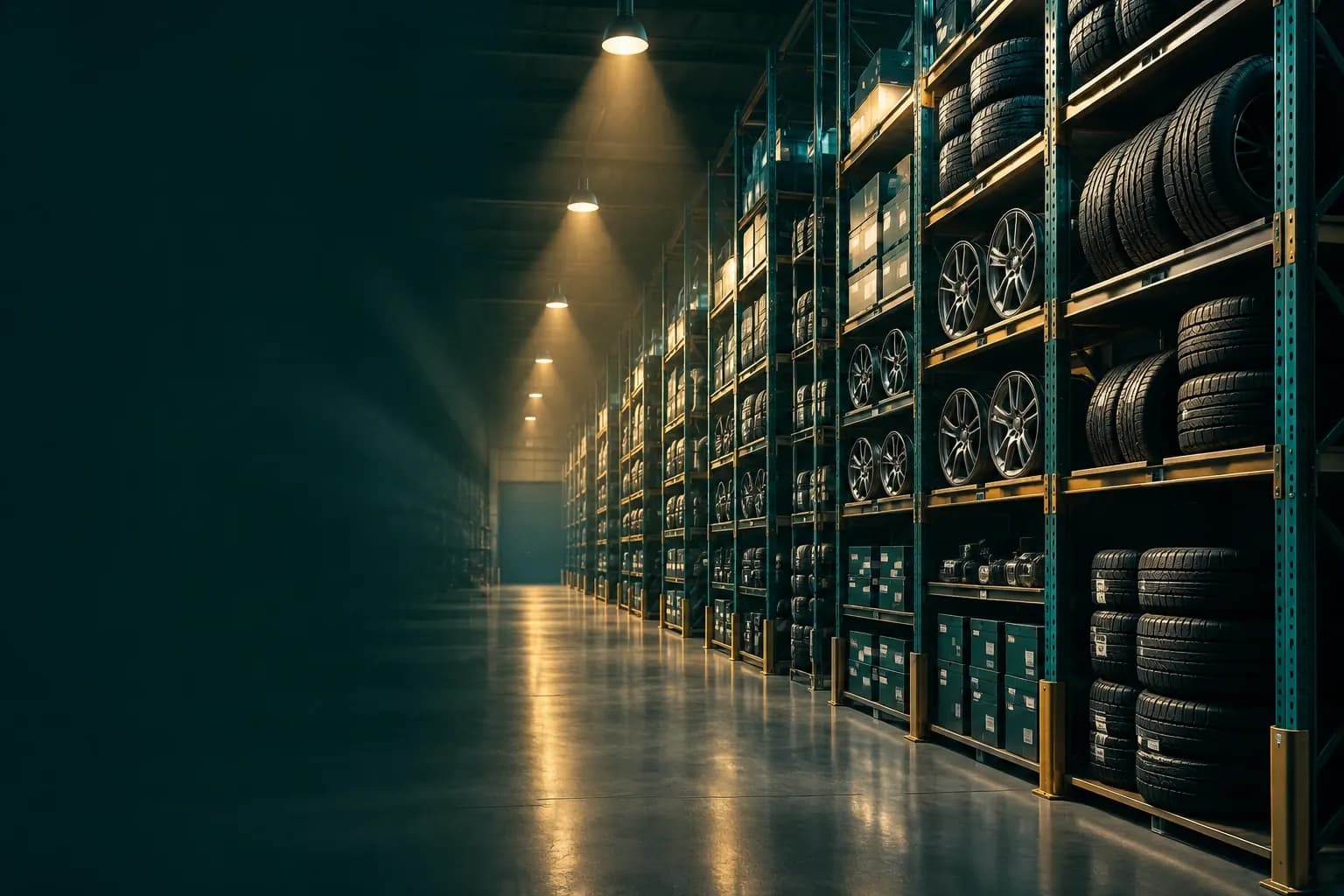
Tire and auto-parts warehouse monitoring
Monitors temperature, humidity, light and air quality in tire and auto-parts warehouses, stopping premature rubber ageing and corrosion of metal parts.
Why this monitoring is needed
A tire ages in the warehouse even if it never reaches a vehicle. Heat, direct light and ozone all harden and embrittle rubber, and the process is irreversible. A warehouse that reaches 50 °C in summer burns through its own stock's life without anyone noticing.
Metal parts have the opposite problem: humidity. Bearings, brake discs and uncoated parts rust in high humidity and come back as customer returns. A warehouse holding both categories has to control both variables at once.
What gets measured
Zone temperature
Temperature under the roof differs from floor level by several degrees, and top racks are always the hottest.
Relative humidity
For metal parts, humidity held below the corrosion threshold is the main storage condition.
Dew point on parts
A cool part sweats in damp air, and that condensation is what starts the rust.
Direct light on tires
A 4–20 mA light sensor measures exposure in zones near windows and the loading door.
Air quality and dust
Dust settles on precision parts, and diesel forklift traffic produces both dust and pollutants.
Recommended equipment
Every model below is from the Fidar Electronics range. The final combination is set after a site survey or an engineering consultation.
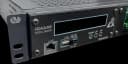
FCD6455-01
FIDAQUIRE FCD6455-01 Industrial Data Logger
Central logger covering the warehouse zones in one history
View product ←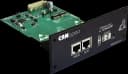
FBC0232-01
FBC0232-01 CANopen Input Card
CANopen card chaining sensors along the racking
View product ←
FTA3070-01
Temperature and Humidity Sensor
Zone temperature and humidity sensor
View product ←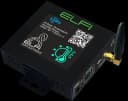
FTA3070-11
Wireless Temperature and Humidity Sensor
Wireless version for high racking and points with no cable
View product ←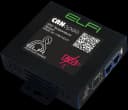
FTR0100-01
PT100 Temperature Sensor
PT100 sensor for the surface temperature of sensitive parts
View product ←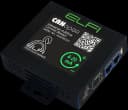
FAC0420-01
4–20 mA Current Sensor
4–20 mA input for the light intensity sensor
View product ←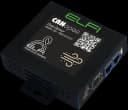
FMD1210-01
Ambient Dust Sensor
Dust sensor for warehouse particulate
View product ←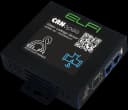
FDW0050-01
Water Leak Sensor
Water-leak sensor under racking and along external walls
View product ←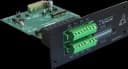
FDR0508-01
FDR0508-01 8-Channel Relay Output Card
8-channel relay card for ventilation fans, dehumidifiers and lighting
View product ←Alarm and automation rules
- 1
Zone temperature above the tire storage threshold: ventilation increased with the deviation logged in the stock file.
- 2
Humidity above the corrosion threshold: dehumidifier started by relay.
- 3
Part surface temperature approaching dew point: alarm before rust begins.
- 4
Light exposure in the tire zone above limit: flagged for stock relocation or shading.
- 5
Dust above threshold: ventilation increased and forklift traffic reviewed.
What the operator gets
Premature tire ageing is reduced by controlling temperature and light, cutting stock write-offs.
Returns of rusted parts are eliminated by controlling humidity and condensation.
Storage conditions are documented for the manufacturer's warranty.
Frequently asked questions
Our warehouse has no mechanical ventilation — is monitoring still useful?
Yes, and it is usually the right first step. Until you know how temperature and humidity actually behave in the building, you cannot decide what equipment and what capacity are needed. A few months of data turns the next capital decision into a numbers-based one.
At what height should sensors go on high racking?
At least two heights: near the floor and near the top storage level. The difference between them is what makes a stock-placement decision possible — heat-sensitive goods belong low. LoRa wireless sensors make the high mounting practical with no cabling.
Related solutions
Want this solution on your own site?
Send us the site details and we will put together the equipment list and a technical proposal to match.