
Fleet fuel monitoring
Monitors tank and fleet fuel level, depot pump power and operation, and tank access, so inventory discrepancies and unauthorised fuelling surface.

Why this monitoring is needed
In any fleet with its own fuel tank there is always a gap between book and actual stock. Part of it is measurement error and part of it is not. Telling the two apart is only possible by logging tank level continuously and reconciling it against recorded transactions.
A technical point matters here: fuel level moves with temperature. An above-ground tank in summer shows level swings without a litre being drawn. Without logging temperature alongside, part of that swing is misread as a shortfall.
What gets measured
Fuel tank level
A 4–20 mA level transmitter gives continuous stock and exposes an abnormal drop.
Fuel temperature
A PT100 inside the tank; without it, thermal expansion is mistaken for a shortfall.
Depot pump operation
Pump motor current shows when the pump ran; operation outside office hours is worth investigating.
Tank hatch access
A dry-contact detector on the hatch timestamps every opening.
Fuel leaks and depot power
A leak in the bund and a depot power cut are both events that need immediate reporting.
Recommended equipment
Every model below is from the Fidar Electronics range. The final combination is set after a site survey or an engineering consultation.
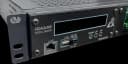
FCD6455-01
FIDAQUIRE FCD6455-01 Industrial Data Logger
Depot logger with the continuous history stock reconciliation needs
View product ←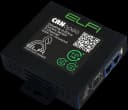
FAC0420-02
3-Channel 4–20 mA Current Sensor
3-channel 4–20 mA input for several tanks' level transmitters
View product ←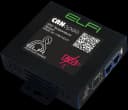
FTR0100-01
PT100 Temperature Sensor
PT100 sensor for in-tank fuel temperature
View product ←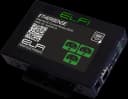
FAC2000-23
3-Channel Networked AC Current Sensor
3-channel AC current sensor for the depot pumps
View product ←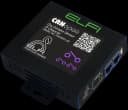
FDD0001-02
3-Channel Dry Contact Detector
3-channel dry-contact detector for the tank hatch and compound gate
View product ←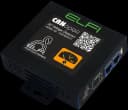
FDV0220-01
AC Voltage Detector
AC voltage detector for depot power
View product ←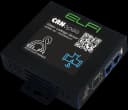
FDW0050-01
Water Leak Sensor
Leak sensor in the tank bund
View product ←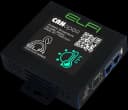
FDS0202-01
Shock Detection Sensor
Shock sensor for tampering with tank equipment
View product ←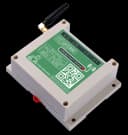
FWN0260-01
FWN0260-01 GSM Communication Modem (Dual SIM)
GSM modem for out-of-town depots
View product ←Alarm and automation rules
- 1
Tank level falling with no matching recorded transaction: unauthorised-draw alarm, after correcting for temperature.
- 2
Pump running outside permitted hours: alarm with exact time and duration.
- 3
Tank hatch opened outside the delivery schedule: immediate security alarm.
- 4
Tank below the reorder level: automatic refuelling request.
- 5
Any liquid on the bund sensor: leak alarm with top environmental priority.
What the operator gets
The inventory gap moves from a guess to a number, with its causes separable.
Unauthorised draw is identified the same day rather than at the quarterly stocktake.
Fuel is ordered from real stock, removing fleet stoppages caused by running out.
Frequently asked questions
Do you supply the fuel tank level transmitter?
The level transmitter is chosen for the tank geometry, the fuel and the area's safety classification, and comes from a certified maker. Fidar's system reads its standard 4–20 mA output, corrects it for temperature and turns it into an inventory report.
Can per-vehicle fuel consumption be seen?
Per-vehicle consumption requires a fuelling authorisation system that ties each transaction to a vehicle. What this system adds is the tank side: real continuous stock, which is what the sum of recorded transactions has to reconcile against.
Related solutions
Want this solution on your own site?
Send us the site details and we will put together the equipment list and a technical proposal to match.