
Customs and port warehouse monitoring
Monitors temperature, humidity, water ingress and access in customs and port warehouses, so cargo that sits for weeks is released intact.

Why this monitoring is needed
Cargo in a customs warehouse has no owner present. It sits for weeks in a shed with no controlled ventilation and nobody accountable for its storage conditions. When it clears and turns out damaged, the dispute between the consignee, the warehouse operator and the insurer begins — and none of them has any evidence.
In ports, humidity is the main issue. Damp marine air combined with the daily temperature swing condenses on cool cargo — the phenomenon known as container sweat, which ruins cartons, labels and metal alike.
What gets measured
Per-shed temperature and humidity
Several points per shed — conditions by the loading door and deep inside are entirely different.
Dew point
Computed from temperature and humidity; cargo surface temperature approaching dew point is the moment of risk.
Water ingress and rain leaks
Sensing cable along external walls and under ageing roofs catches ingress before it reaches the cargo.
Access and door openings
Every shed door opening is timestamped — for bonded cargo that is both a security and a process record.
Power to yard reefers
Reefer containers in the yard depend on plugged power; losing a row's supply destroys that row's cargo.
Recommended equipment
Every model below is from the Fidar Electronics range. The final combination is set after a site survey or an engineering consultation.
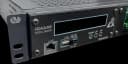
FCD6455-01
FIDAQUIRE FCD6455-01 Industrial Data Logger
Central logger covering several sheds in one history
View product ←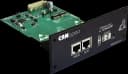
FBC0232-01
FBC0232-01 CANopen Input Card
CANopen card chaining sensors along the shed
View product ←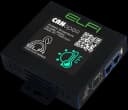
FTA3070-01
Temperature and Humidity Sensor
In-shed temperature and humidity sensor
View product ←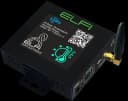
FTA3070-11
Wireless Temperature and Humidity Sensor
Wireless version for distant sheds and the open yard
View product ←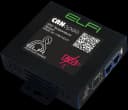
FTR0100-01
PT100 Temperature Sensor
PT100 sensor for the surface temperature of sensitive cargo
View product ←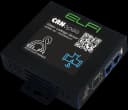
FDW0050-01
Water Leak Sensor
Water-leak sensor along walls and under the roof
View product ←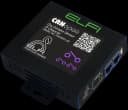
FDD0001-02
3-Channel Dry Contact Detector
3-channel dry-contact detector for the shed doors
View product ←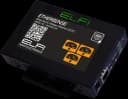
FAV0220-25
3-Channel Networked AC Voltage Detector
3-channel AC voltage detector for the reefer plug rows
View product ←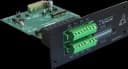
FDR0508-01
FDR0508-01 8-Channel Relay Output Card
8-channel relay card for ventilation fans and dehumidifiers
View product ←Alarm and automation rules
- 1
Cargo surface temperature approaching dew point: condensation alarm with ventilation or dehumidification started.
- 2
Humidity sustained above threshold in one shed: alarm naming the shed and the duration.
- 3
Any water on the sensing cable: immediate SMS to the duty warehouse officer.
- 4
Shed door opened outside working hours: timestamped security alarm.
- 5
Power lost on a reefer plug row: top-priority alarm — the whole row's cargo is at risk.
What the operator gets
Storage conditions for each consignment are documented, settling insurer and consignee disputes on data.
Condensation and moisture damage are contained by a pre-emptive alarm.
Loss of reefer power is announced within the minute.
Frequently asked questions
Our sheds are very large — how many points are needed?
The practical rule is to cover zones that behave differently: by the loading door, deep inside, under the roof and at floor level. A CANopen card carries up to 64 sensors on one cable, so adding points costs no new home runs — start with a few and extend.
What about the open yard and the containers?
For the yard, LoRa wireless sensors reach up to 1 km line of sight with no cabling. For reefer plugs, a 3-channel AC voltage detector covers each row and reports a power loss immediately.
Related solutions
Want this solution on your own site?
Send us the site details and we will put together the equipment list and a technical proposal to match.