
Museum and document archive monitoring
Holds gallery and archive temperature, humidity, light and dust inside the narrow conservation band, and timestamps every deviation.
Why this monitoring is needed
Damage to museum objects and archive documents is almost never sudden; it is the result of years of fluctuation. Wood and paper expand and contract with every humidity cycle, and that movement cracks paint and breaks fibres. What matters is not the instantaneous humidity reading but the size of its daily swing.
Light is a cumulative agent too: its effect is measured by total exposure, not by instantaneous intensity. Without continuous logging there is no way to manage that light budget.
What gets measured
Per-gallery temperature and humidity
Several points per gallery — conditions by a window and by an air grille are entirely different.
Daily fluctuation range
The key conservation metric is the daily maximum-minimum spread, not the average.
Light intensity and cumulative exposure
A 4–20 mA light sensor builds each display case's accumulated exposure.
Dust and airborne particulate
Dust settles on surfaces and repeated cleaning is itself abrasive; controlling the source beats cleaning.
Water ingress and unauthorised entry
Roof and pipe leaks in a store are an archive's biggest catastrophic risk; store access needs logging too.
Recommended equipment
Every model below is from the Fidar Electronics range. The final combination is set after a site survey or an engineering consultation.
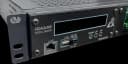
FCD6455-01
FIDAQUIRE FCD6455-01 Industrial Data Logger
Central logger with the long history conservation analysis needs
View product ←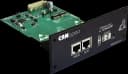
FBC0232-01
FBC0232-01 CANopen Input Card
CANopen card chaining sensors through the galleries without separate home runs
View product ←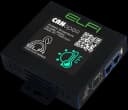
FTA3070-01
Temperature and Humidity Sensor
Gallery and store temperature and humidity sensor
View product ←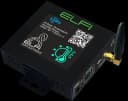
FTA3070-11
Wireless Temperature and Humidity Sensor
Wireless version for display cases and points that cannot be cabled
View product ←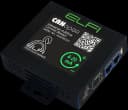
FAC0420-01
4–20 mA Current Sensor
4–20 mA input for the light intensity sensor
View product ←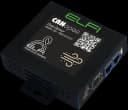
FMD1210-01
Ambient Dust Sensor
Dust sensor for gallery particulate
View product ←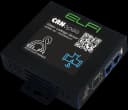
FDW0050-01
Water Leak Sensor
Water-leak sensor in the store and under pipe runs
View product ←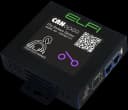
FDD0001-01
Dry Contact Detector
Dry-contact detector on the archive store door
View product ←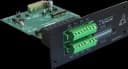
FDR0508-01
FDR0508-01 8-Channel Relay Output Card
8-channel relay card commanding humidifier, dehumidifier and ventilation
View product ←Alarm and automation rules
- 1
Daily humidity swing beyond the allowed range: conservation alarm, even when the average is inside the band.
- 2
Temperature or humidity outside the conservation band: humidifier or dehumidifier commanded by relay.
- 3
A display case's accumulated exposure reaching its annual budget: flagged to reduce light or rotate the object.
- 4
Any water on the store's sensing cable: critical top-priority alarm.
- 5
Store door opened outside permitted hours: timestamped security alarm.
What the operator gets
Cumulative deterioration is reduced by controlling the fluctuation range.
Storage conditions for each object are documented and presentable for inter-museum loans.
A leak in the store is announced in the first minutes rather than after the collection is damaged.
Frequently asked questions
What about sealed display cases with no power?
Battery-powered LoRa wireless sensors sit inside the case and report to the FWL1600-01 receiver card; no cable enters the case. The system issues a per-node low-battery warning, so no case silently drops out of monitoring.
What temperature and humidity band is correct?
It depends on the material and is set by the collection's conservator; paper, wood, metal and textile all differ. What they share is the importance of stability: a small swing around a less-than-ideal value is usually safer than a large swing around the ideal one.
Related solutions
Want this solution on your own site?
Send us the site details and we will put together the equipment list and a technical proposal to match.