
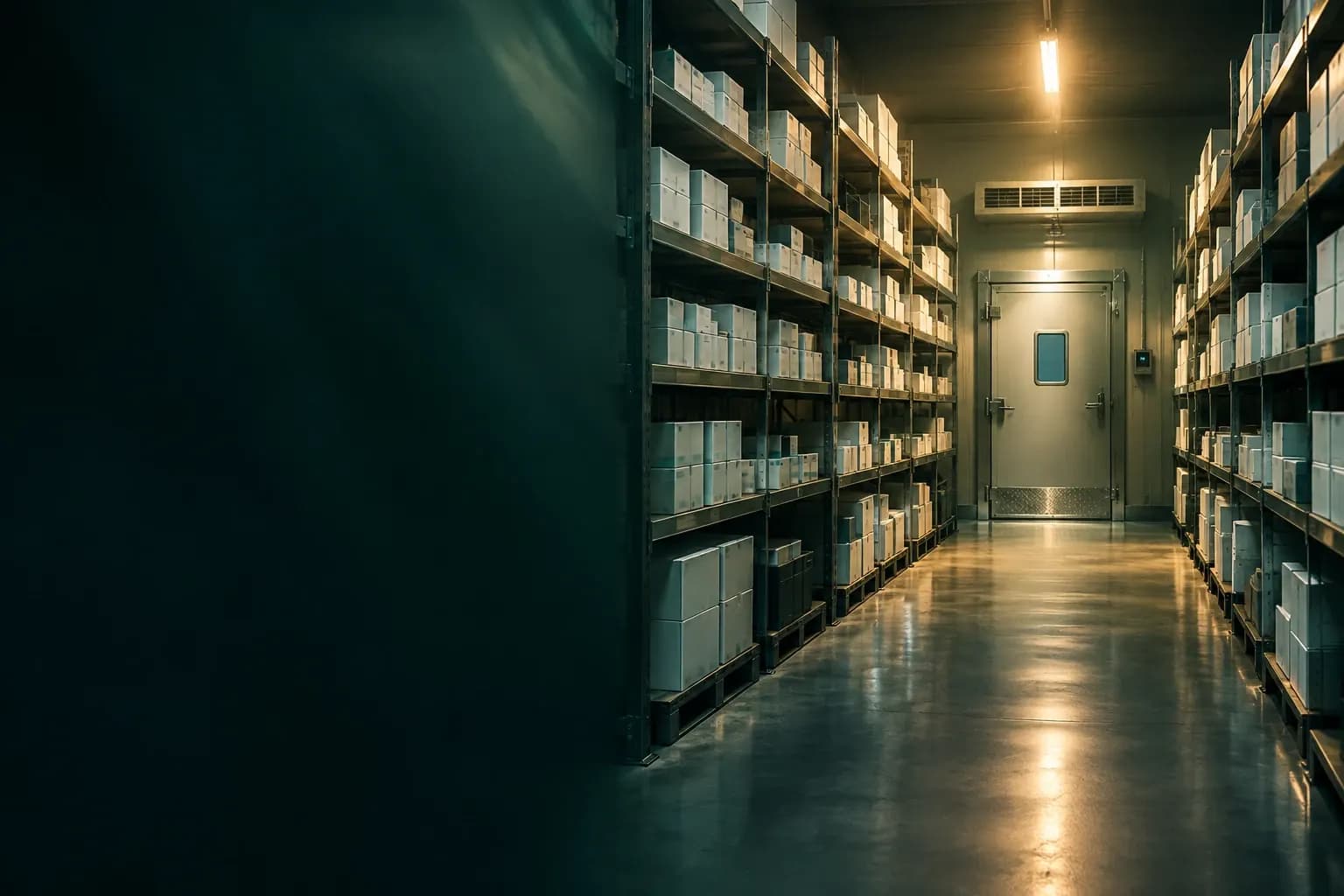
Pharmacy and pharma warehouse cold chain
Records and documents pharmacy fridge, drug warehouse and vaccine refrigerator temperature, so the cold chain from warehouse to shelf carries evidence.
Why this monitoring is needed
A pharmaceutical cold chain breaks where nobody is looking: nights, holidays and the gap between two shifts. A vaccine that spent a few hours above 8 °C looks unchanged and gets administered anyway. The only prevention is continuous recording with a real-time alarm.
The second dimension is regulatory. Holding medicines within a defined temperature band and being able to show the record is an inspection requirement. A handwritten sheet is neither reliable nor able to show an overnight excursion; an automatic timestamped report is what an inspector wants.
What gets measured
Temperature of each drug and vaccine fridge
A PT100 in buffer solution inside each unit, so door openings do not create false alarms.
Drug warehouse temperature and humidity
Room-temperature medicines have a band too, and high humidity degrades packaging and potency.
Door openings and access
Logging door openings explains temperature excursions and provides an access record for controlled drugs.
Compressor operation and power
Power loss and compressor failure are the two main causes of an excursion and must be told apart.
Water leaks in the warehouse
Water in a drug store makes stock unusable; sensing cable under the racking covers that risk.
Recommended equipment
Every model below is from the Fidar Electronics range. The final combination is set after a site survey or an engineering consultation.
FCD6455-01
FIDAQUIRE FCD6455-01 Industrial Data Logger
Central logger with automatic reporting and user access levels
View product ←
FBC0232-01
FBC0232-01 CANopen Input Card
CANopen card connecting every fridge in the branch on one cable
View product ←
FTR0100-01
PT100 Temperature Sensor
PT100 sensor inside drug and vaccine refrigerators
View product ←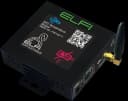
FTR0100-11
Wireless PT100 Temperature Sensor
Wireless PT100 for fridges scattered across branches
View product ←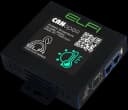
FTA3070-01
Temperature and Humidity Sensor
Drug warehouse temperature and humidity sensor
View product ←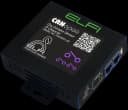
FDD0001-02
3-Channel Dry Contact Detector
3-channel dry-contact detector for doors and fridge alarms
View product ←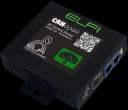
FAC2000-01
AC Current Sensor
AC current sensor for the compressor
View product ←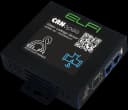
FDW0050-01
Water Leak Sensor
Water-leak sensor under the warehouse racking
View product ←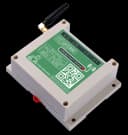
FWN0260-01
FWN0260-01 GSM Communication Modem (Dual SIM)
GSM modem for alarms during holidays and power cuts
View product ←Alarm and automation rules
- 1
Fridge temperature outside 2–8 °C beyond the permitted duration: immediate SMS to the pharmacist in charge.
- 2
Warehouse temperature or humidity out of band: alarm with the deviation duration logged.
- 3
Power loss outside opening hours: high-priority GSM alarm.
- 4
Fridge door held open beyond the allowed time: local alarm before temperature reaches the threshold.
- 5
Automatic daily and monthly timestamped reports for the inspection file.
What the operator gets
Damaged medicines and vaccines are identified and withdrawn before use.
Inspections are answered with a continuous record, removing documentation non-conformances.
Several branches are run from one central dashboard under one alarm policy.
Frequently asked questions
Is this worthwhile for a small pharmacy with two fridges?
For two fridges the networked EtherSense sensors are enough on their own: each has its own IP and web page, thresholds and email alerts are set on the device, and no logger is needed. A logger becomes worthwhile as the point count grows or when several branches are consolidated onto one dashboard.
What happens if both power and internet fail?
The logger keeps recording on its backup battery and the GSM modem sends the alarm over the mobile network. When service returns the history is complete, and the outage itself is recorded as an event.
Related solutions
Want this solution on your own site?
Send us the site details and we will put together the equipment list and a technical proposal to match.