
Operating room and MRI monitoring
Monitors operating theatre temperature, humidity and differential pressure along with MRI room conditions, protecting both patient safety and very expensive equipment.
Why this monitoring is needed
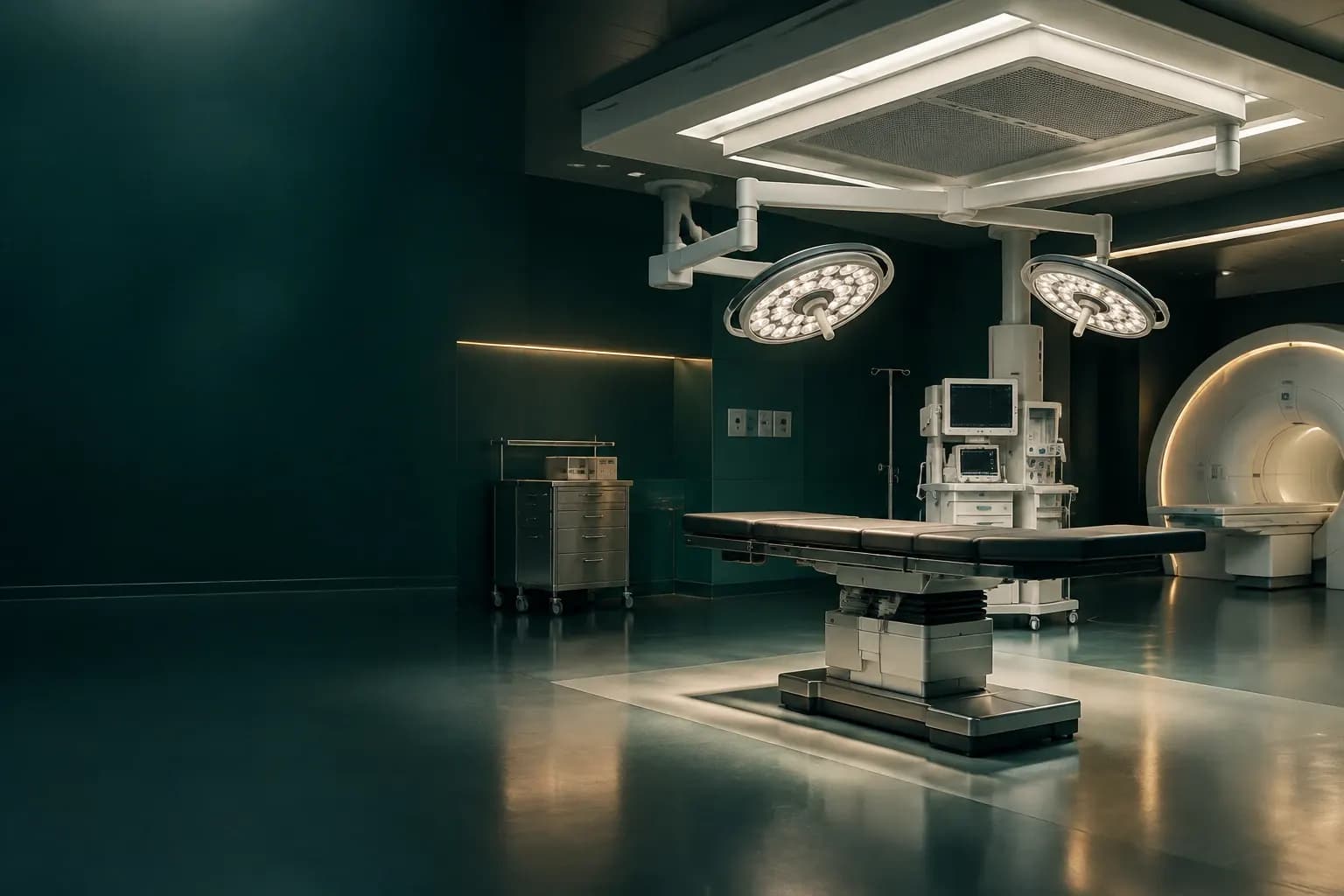
An operating theatre is a controlled environment: temperature, humidity and positive pressure relative to the corridor are all part of infection prevention. Losing positive pressure mid-procedure pulls corridor air into the room, and nobody notices at the time because there is no perceptible sign.
The MRI suite has a different problem: the scanner is highly sensitive to its environment, and temperature or humidity outside the manufacturer's window degrades image quality and can damage the cooling system. The cost of one unplanned helium quench dwarfs the cost of the entire monitoring system.
What gets measured
Room-to-corridor differential pressure
A 4–20 mA differential pressure transmitter; positive pressure in theatre and negative pressure in an isolation room both need monitoring.
Theatre temperature and humidity
A narrow temperature and humidity band is required for the patient and for the room's electronics alike.
MRI room conditions
Temperature, humidity and ambient pressure are logged continuously against the scanner manufacturer's window.
AHU and chiller operation
AHU and chiller motor current expose a failure before room conditions change.
Emergency power and water leaks
Theatre power sits on the emergency circuit, and chiller water leaks in the plant room are a known risk.
Recommended equipment
Every model below is from the Fidar Electronics range. The final combination is set after a site survey or an engineering consultation.
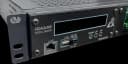
FCD6455-01
FIDAQUIRE FCD6455-01 Industrial Data Logger
Central logger with continuous reporting and multi-channel alarms
View product ←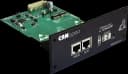
FBC0232-01
FBC0232-01 CANopen Input Card
CANopen card covering several theatres on one cable
View product ←
FAC0420-02
3-Channel 4–20 mA Current Sensor
3-channel 4–20 mA input for the differential pressure transmitters
View product ←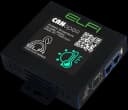
FTA3070-01
Temperature and Humidity Sensor
Temperature and humidity sensor for theatre and MRI room
View product ←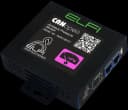
FMP0180-01
Ambient Pressure Sensor
Ambient pressure sensor for the MRI room
View product ←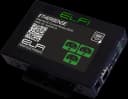
FAC2000-23
3-Channel Networked AC Current Sensor
3-channel AC current sensor for AHU, chiller and pump
View product ←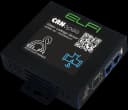
FDW0050-01
Water Leak Sensor
Water-leak sensor in the plant room and along the chiller pipework
View product ←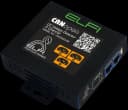
FAV0220-05
3-Channel AC Voltage Detector
3-channel AC voltage detector for normal, emergency and UPS supplies
View product ←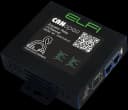
FDR0102-01
2-Channel Relay Module
Relay module for the local siren and the nurse-station annunciator
View product ←Alarm and automation rules
- 1
Theatre differential pressure below threshold: immediate alarm at the nurse station with the deviation logged.
- 2
Temperature or humidity out of band beyond the allowed period: alarm with exact times for the procedure record.
- 3
MRI room conditions outside the manufacturer's window: top-priority alarm to the imaging engineer.
- 4
Chiller or AHU current lost: immediate alarm, before room conditions have moved.
- 5
Any water on the sensing cable: critical alarm, especially on pipe runs near the MRI suite.
What the operator gets
Environmental conditions for every procedure are recorded and can be attached to the hospital record.
Risk to the MRI scanner falls with continuous monitoring against the manufacturer's window.
A plant failure is identified before the theatre has to be closed.
Frequently asked questions
Will a sensor in the MRI room disturb the magnetic field?
Monitoring equipment is installed in the control and plant rooms, outside the magnet room. Anything inside the magnet room must be MRI-safe and non-ferromagnetic and pass through the filter panel; this has to be coordinated in design with the scanner manufacturer's engineers.
Our hospital has a BMS — does this conflict with it?
No. The FIDAQUIRE logger speaks Modbus and SNMP and can be added to the existing BMS as a data source. The value of an independent system is that when the BMS or its network fails, the alarm still gets out over GSM.
Related solutions
Want this solution on your own site?
Send us the site details and we will put together the equipment list and a technical proposal to match.