
Restaurant chain refrigerator monitoring
Brings every branch's refrigerator and freezer temperature into one dashboard and reports an overnight excursion before the branch opens.
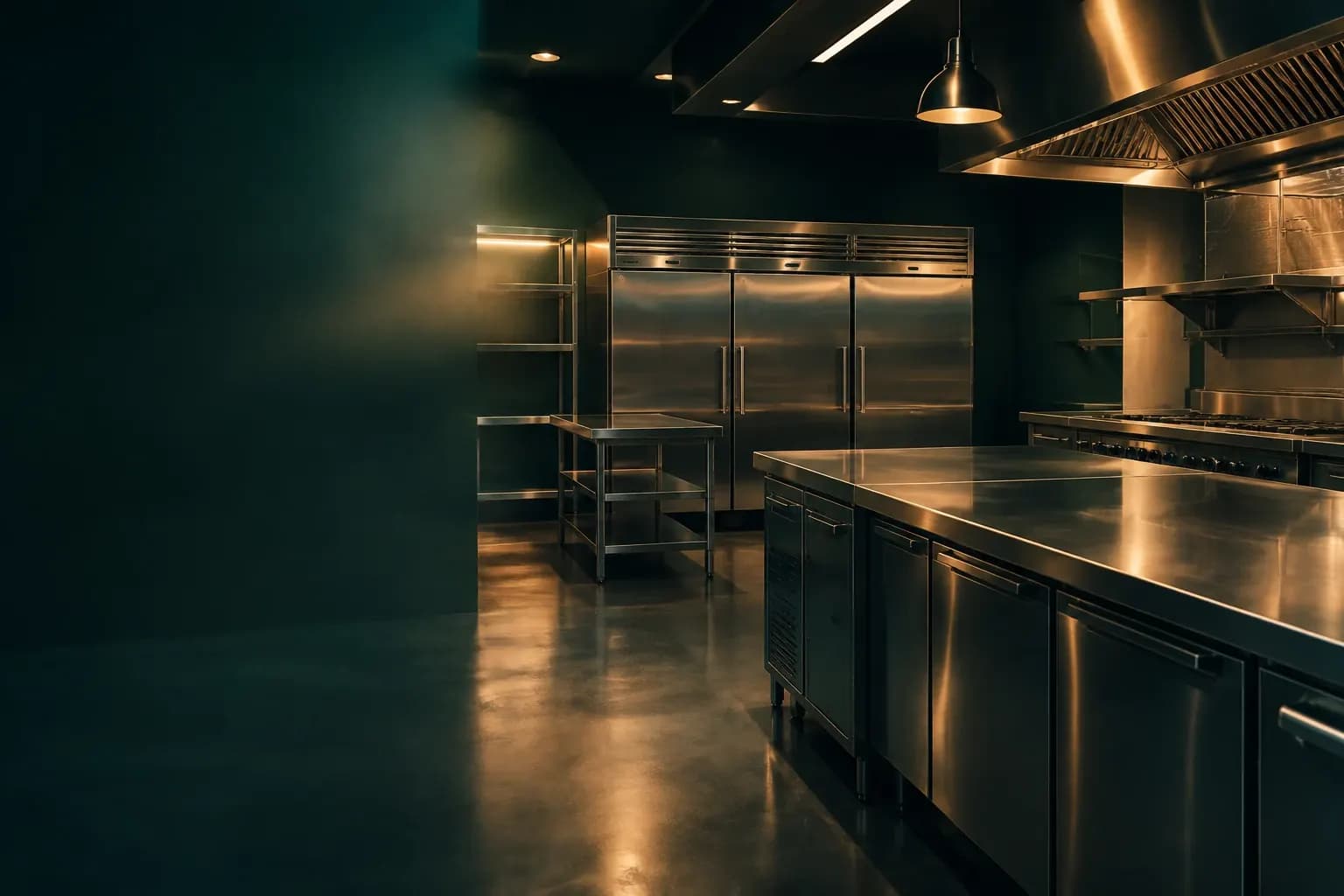
Why this monitoring is needed
In a restaurant chain the problem is not one fridge but dozens of fridges in dozens of branches, none with a dedicated technician. A branch fridge failure is usually discovered the next morning with spoiled stock — at which point the food is gone and the branch is out of ingredients.
Health inspection also wants a temperature history. Manual sheets in a restaurant are never complete and get forgotten in the rush; what the inspector sees is not reality but the tidiness of the paperwork.
What gets measured
Temperature of each fridge and freezer
A temperature sensor inside each unit with thresholds to match its type — fridge, freezer and salad bar all differ.
Door openings
During service the door opens constantly; logging it separates a real excursion from a normal one.
Compressor operation
Compressor current exposes a failure before internal temperature moves noticeably.
Kitchen power
An overnight power cut is the most common cause of stock loss and must be reported independently of the fridge.
Dry store temperature and humidity
The dry store has a band too, and high humidity ruins flour and spices.
Recommended equipment
Every model below is from the Fidar Electronics range. The final combination is set after a site survey or an engineering consultation.
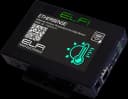
FTA3070-21
Networked Temperature and Humidity Sensor
Networked temperature and humidity sensor with its own IP and web page, right for small branches
View product ←
FTR0100-21
Networked PT100 Temperature Sensor
Networked PT100 sensor for low-temperature freezers
View product ←
FCD6455-01
FIDAQUIRE FCD6455-01 Industrial Data Logger
Logger for larger branches with many points and central reporting
View product ←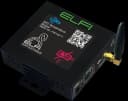
FTR0100-11
Wireless PT100 Temperature Sensor
Wireless PT100 for units that cannot be cabled
View product ←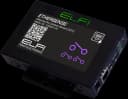
FDD0001-22
3-Channel Networked Dry Contact Detector
Networked 3-channel dry-contact detector for the doors
View product ←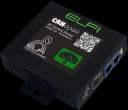
FAC2000-01
AC Current Sensor
AC current sensor for the compressor
View product ←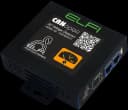
FDV0220-01
AC Voltage Detector
AC voltage detector for kitchen power
View product ←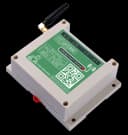
FWN0260-01
FWN0260-01 GSM Communication Modem (Dual SIM)
GSM modem for alarms during a branch power or internet outage
View product ←Alarm and automation rules
- 1
Fridge temperature out of band beyond the permitted period: alarm to both the branch and area manager.
- 2
Temperature rising with the door shut: unit-failure alarm, ranked above a door alarm.
- 3
Excursion outside opening hours: immediate alarm — nobody is on site to intervene.
- 4
Branch power loss: GSM alarm, independent of the branch internet.
- 5
Automatic daily report per branch, replacing the manual hygiene log.
What the operator gets
Stock write-offs from an overnight fridge failure are eliminated.
Health inspection is answered with an automatic report rather than an incomplete sheet.
Dozens of branches run from one dashboard under one alarm policy.
Frequently asked questions
For a small branch with three fridges, what is the simplest option?
The networked EtherSense sensors. Each has its own IP and web page, runs on PoE or a 48 V adapter, has thresholds and email alerts set on the device, and needs no logger. For central multi-branch monitoring their SNMP output appears in your existing monitoring system.
Who receives the alarm?
Whoever you define, and usually in stages: first the branch manager, and if the excursion is not resolved within a set period, the area manager. The escalation matters, because an alarm that always goes to everyone is quickly ignored.
Related solutions
Want this solution on your own site?
Send us the site details and we will put together the equipment list and a technical proposal to match.