
Dairy pasteurization line monitoring
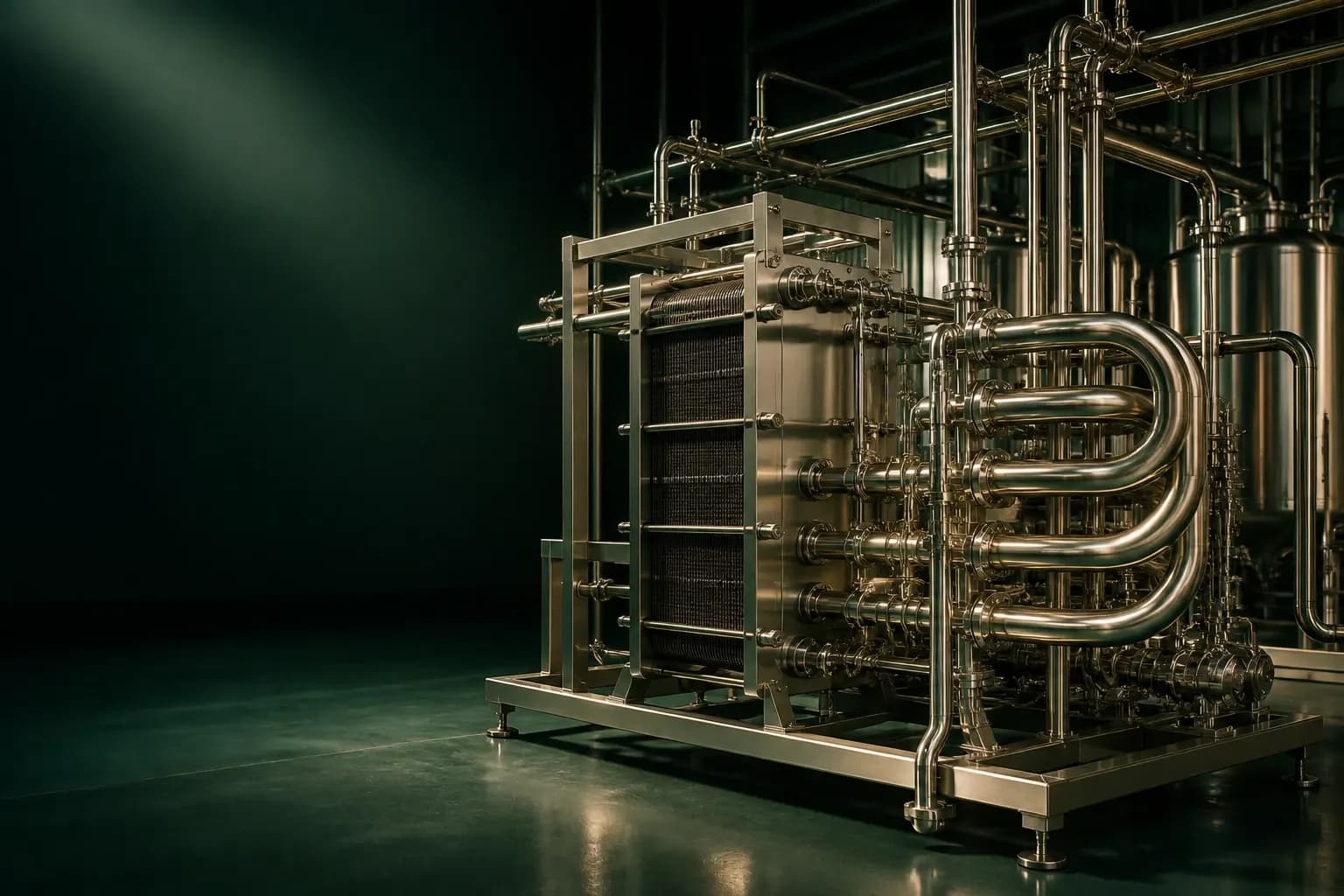
Records holding-tube temperature and residence time, heat-exchanger temperature and diversion valve operation on a pasteurisation line, so every batch carries a process record.
Why this monitoring is needed
Pasteurisation is defined by two numbers: temperature and time. If milk spends a second less than required at target temperature, the product looks fine but carries no microbiological guarantee. The only way to prove the process was correct is to record both numbers continuously.
The flow diversion valve is part of the same proof: every time temperature falls it must return product to the balance tank. If its operation is not logged, there is no evidence that under-temperature product never reached the final tank.
What gets measured
Heating section outlet temperature
A PT100 in a thermowell is the process's tightest control point and drives the diversion valve.
Holding-tube residence time
Computed from flow rate and tube volume: lower flow means longer time, higher flow means risk.
Line flow and pressure
A 4–20 mA flow meter and pressure transmitter secure flow stability.
Diversion valve position
A valve-position dry contact timestamps every product diversion.
Hot water and steam temperature
A falling heating-circuit temperature is the root cause of most product-temperature deviations.
Recommended equipment
Every model below is from the Fidar Electronics range. The final combination is set after a site survey or an engineering consultation.
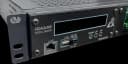
FCD6455-01
FIDAQUIRE FCD6455-01 Industrial Data Logger
Central logger with continuous recording and XLS reports for each batch file
View product ←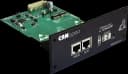
FBC0232-01
FBC0232-01 CANopen Input Card
CANopen card chaining the sensors along the line
View product ←
FTR0100-01
PT100 Temperature Sensor
PT100 in a thermowell for the product temperature control points
View product ←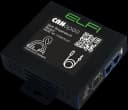
FTD3070-01
Spot Temperature Sensor
Spot temperature sensor for the hot-water circuit and return
View product ←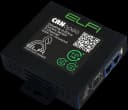
FAC0420-02
3-Channel 4–20 mA Current Sensor
3-channel 4–20 mA input for the flow meter and pressure transmitters
View product ←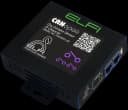
FDD0001-02
3-Channel Dry Contact Detector
3-channel dry-contact detector for diversion valve position and line alarms
View product ←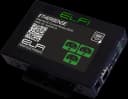
FAC2000-23
3-Channel Networked AC Current Sensor
3-channel AC current sensor for line pumps and the homogeniser
View product ←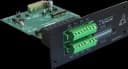
FDR0508-01
FDR0508-01 8-Channel Relay Output Card
8-channel relay card for siren, interlocks and control-room annunciation
View product ←Alarm and automation rules
- 1
Heater outlet below the pasteurisation threshold: event logged with the diversion valve expected to operate inside its window.
- 2
Temperature falling without the diversion valve operating: critical product-safety alarm.
- 3
Flow above the design maximum: alarm that residence time has fallen below requirement.
- 4
Hot-water circuit temperature falling: early alarm before product temperature is affected.
- 5
Automatic per-batch report with temperature and flow curves and every diversion event.
What the operator gets
Every batch carries a complete process record, making the product-safety claim provable.
A temperature deviation is contained before product reaches the final tank.
A food-safety audit is answered with a continuous record.
Frequently asked questions
Does this replace the pasteuriser's own controller?
No. Process control and safety interlocks stay with the line controller. This system's role is independent continuous recording: a data source that does not depend on the controller and keeps its own account of what happened even when the controller itself is at fault.
Do the sensors cope with CIP cleaning?
The PT100 sits in a stainless thermowell that is part of the line and is cleaned with it in the CIP cycle; the sensor never touches the product and can be replaced without opening the line. CIP temperatures also sit within the PT100's range.
Related solutions
Want this solution on your own site?
Send us the site details and we will put together the equipment list and a technical proposal to match.