
Ultra-low −80°C sample and vaccine freezer monitoring
Monitors −80 °C freezer temperature, backup power and the emergency CO₂ supply, so irreplaceable samples are not lost.
Why this monitoring is needed
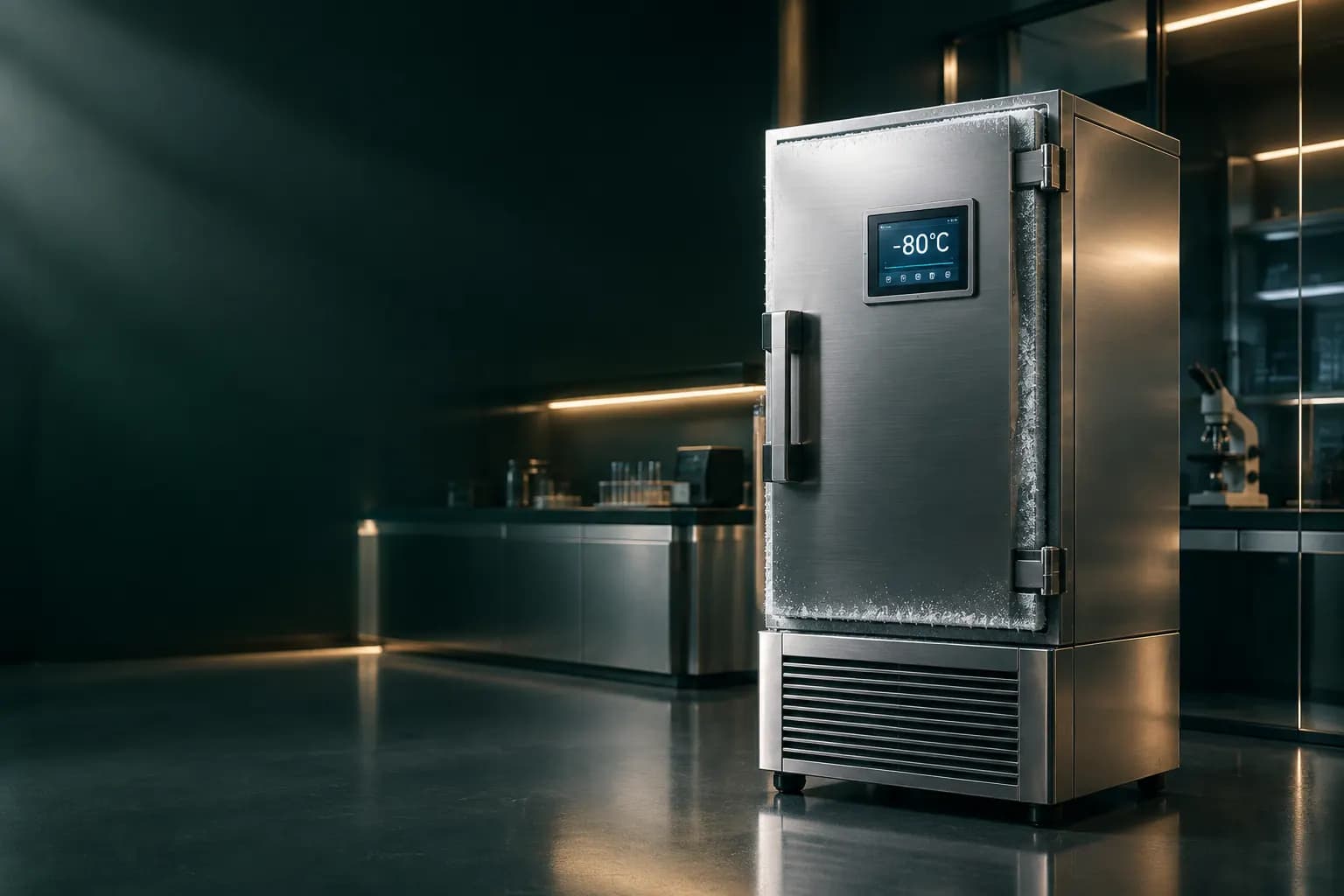
The contents of a −80 °C freezer are usually irreplaceable: patient samples, a cell bank, or a vaccine series with years of work behind it. Yet most of these freezers are protected by nothing more than a local audible alarm that nobody hears at night or over a holiday.
A technical point matters: a −80 °C freezer failure is not fast, but it is irreversible. The cabinet may take hours to warm, and those hours are the only window to rescue the samples — provided somebody is told.
What gets measured
Freezer chamber temperature
A PT100 covering −50 to 250 °C, used to track the cabinet's warming trend.
Compressor operation
Compressor current exposes a failure hours before chamber temperature moves noticeably.
Power and the emergency circuit
AC voltage detectors on both the normal and emergency circuits, proving the freezer really is on backup power.
Backup CO₂ or nitrogen supply
Backup cylinder pressure through a 4–20 mA transmitter; the emergency rescue system only works if the cylinder is full.
Room temperature and door openings
A hot room raises compressor load, and a door left open builds the frost that causes the next failure.
Recommended equipment
Every model below is from the Fidar Electronics range. The final combination is set after a site survey or an engineering consultation.
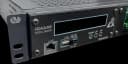
FCD6455-01
FIDAQUIRE FCD6455-01 Industrial Data Logger
Central logger with multi-stage alarms and continuous recording
View product ←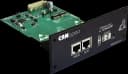
FBC0232-01
FBC0232-01 CANopen Input Card
CANopen card connecting every freezer in the room on one cable
View product ←
FTR0100-01
PT100 Temperature Sensor
PT100 sensor for freezer chamber temperature
View product ←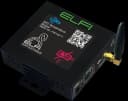
FTR0100-11
Wireless PT100 Temperature Sensor
Wireless PT100 for freezers that cannot be cabled
View product ←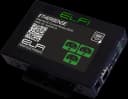
FAC2000-23
3-Channel Networked AC Current Sensor
3-channel AC current sensor for the compressors
View product ←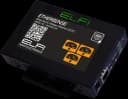
FAV0220-25
3-Channel Networked AC Voltage Detector
3-channel AC voltage detector for normal, emergency and UPS circuits
View product ←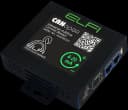
FAC0420-01
4–20 mA Current Sensor
4–20 mA input for backup cylinder pressure
View product ←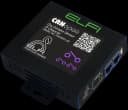
FDD0001-02
3-Channel Dry Contact Detector
3-channel dry-contact detector for doors and the freezer's own alarm output
View product ←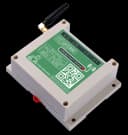
FWN0260-01
FWN0260-01 GSM Communication Modem (Dual SIM)
GSM modem delivering alarms independent of building power and network
View product ←Alarm and automation rules
- 1
Chamber above −70 °C: first-level alarm. Above −60 °C: critical alarm escalated to several contacts.
- 2
Compressor current lost beyond its normal cycle: alarm hours before temperature moves noticeably.
- 3
Normal circuit power lost: automatic check of the emergency circuit with the result reported.
- 4
Backup cylinder pressure below threshold: alarm — the emergency rescue system has become ineffective.
- 5
Escalation: if the first contact does not respond within a set period, the alarm goes to the next.
What the operator gets
Irreplaceable samples are protected by early warning and escalating contact.
Compressor failure is identified hours before chamber temperature becomes critical.
Readiness of the emergency rescue system is proven continuously rather than discovered when it is needed.
Frequently asked questions
Does your sensor read down to −80 °C?
The Fidar PT100's range is −50 to 250 °C, so a steady −80 °C sits outside its measuring range. Its practical role here is tracking the cabinet's warming trend — exactly the thing that has to raise the alarm. Where absolute measurement at the −80 °C setpoint is a project requirement, a low-temperature probe with a 4–20 mA output is used and the system reads and logs it.
Why monitor compressor current as well?
Because it is the only warning that arrives in time. A −80 °C freezer is so well insulated that after the compressor stops it takes hours for temperature to rise noticeably; wait for the temperature alarm and part of the rescue window is already gone. Loss of compressor current reports within the minute.
Related solutions
Want this solution on your own site?
Send us the site details and we will put together the equipment list and a technical proposal to match.