
Animal research room monitoring
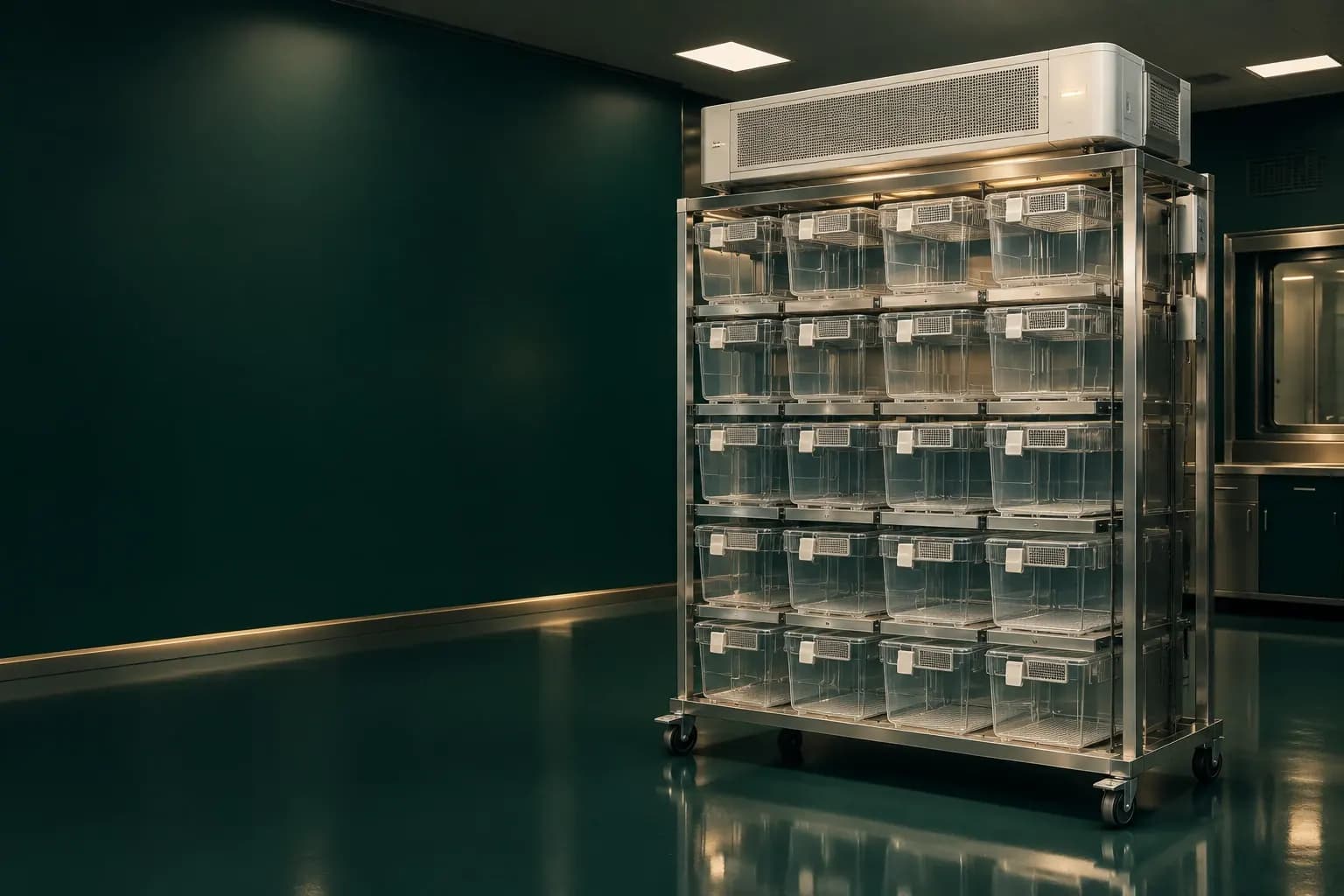
Monitors temperature, humidity, air changes, light and noise in an animal research room, protecting both animal welfare and the validity of the research.
Why this monitoring is needed
Environmental conditions in an animal room are a confounding variable in every study conducted there. Temperature swings, a disrupted light cycle or unusual noise change animal physiology and distort results — with nobody knowing why the data is scattered.
The second dimension is ethical and welfare-related. The ethics committee and the regulator want documented housing conditions. An overnight ventilation or cooling failure in an animal room is both a serious welfare issue and capable of invalidating an entire study.
What gets measured
Room and cage temperature and humidity
Conditions inside ventilated cages differ from the room's, and both need monitoring.
Air changes and differential pressure
4–20 mA differential pressure and air velocity transmitters; the air-change rate is a direct requirement of the housing protocol.
Light cycle
A 4–20 mA light sensor proves the day-night cycle actually ran as intended.
Noise and vibration
The shock sensor logs abnormal vibration from plant or adjacent building work.
AHU operation and emergency power
AHU motor current and emergency-circuit power presence are the two data points that matter in an overnight outage.
Recommended equipment
Every model below is from the Fidar Electronics range. The final combination is set after a site survey or an engineering consultation.
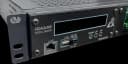
FCD6455-01
FIDAQUIRE FCD6455-01 Industrial Data Logger
Central logger with continuous reporting for the ethics committee and the study file
View product ←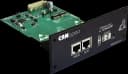
FBC0232-01
FBC0232-01 CANopen Input Card
CANopen card covering several housing rooms on one cable
View product ←
FTA3070-01
Temperature and Humidity Sensor
Room and cage-rack temperature and humidity sensor
View product ←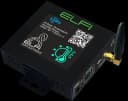
FTA3070-11
Wireless Temperature and Humidity Sensor
Wireless version for mobile cage racks
View product ←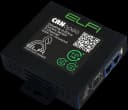
FAC0420-02
3-Channel 4–20 mA Current Sensor
3-channel 4–20 mA input for differential pressure, air velocity and light
View product ←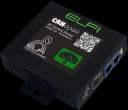
FAC2000-01
AC Current Sensor
AC current sensor for the AHU motor
View product ←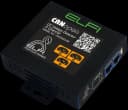
FAV0220-05
3-Channel AC Voltage Detector
3-channel AC voltage detector for normal, emergency and lighting circuits
View product ←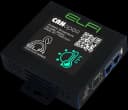
FDS0202-01
Shock Detection Sensor
Shock sensor for abnormal environmental vibration
View product ←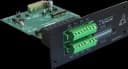
FDR0508-01
FDR0508-01 8-Channel Relay Output Card
8-channel relay card for emergency ventilation and duty-room annunciation
View product ←Alarm and automation rules
- 1
Temperature or humidity outside the housing protocol band: immediate alarm with the deviation logged in the study file.
- 2
Air-change rate below the required minimum: critical animal-welfare alarm.
- 3
Lighting on or off outside the programmed cycle: light-cycle disruption alarm.
- 4
AHU current lost: immediate alarm and emergency ventilation commanded by relay.
- 5
Automatic daily and monthly reports on every index for welfare documentation.
What the operator gets
Environmental confounders are recorded, sharpening the interpretation of research data.
The requirement to document housing conditions is met with automatic reports.
An overnight ventilation failure is contained by an alarm and emergency ventilation.
Frequently asked questions
Can the sensors be cleaned in an animal room environment?
The sensor is mounted in a protective enclosure out of the animals' reach with cabling in trunking. For mobile cage racks the LoRa wireless model is the practical choice, since no cable obstructs moving or washing the rack.
Do you measure sound as well?
Sound-level measurement needs a metering microphone with a standard output, which the system reads as an analogue input. What Fidar's shock sensor covers directly is environmental vibration and impact — which in practice is the main disturbance source in an animal room: plant equipment and adjacent building work.
Related solutions
Want this solution on your own site?
Send us the site details and we will put together the equipment list and a technical proposal to match.