
Lab incubator and oven monitoring
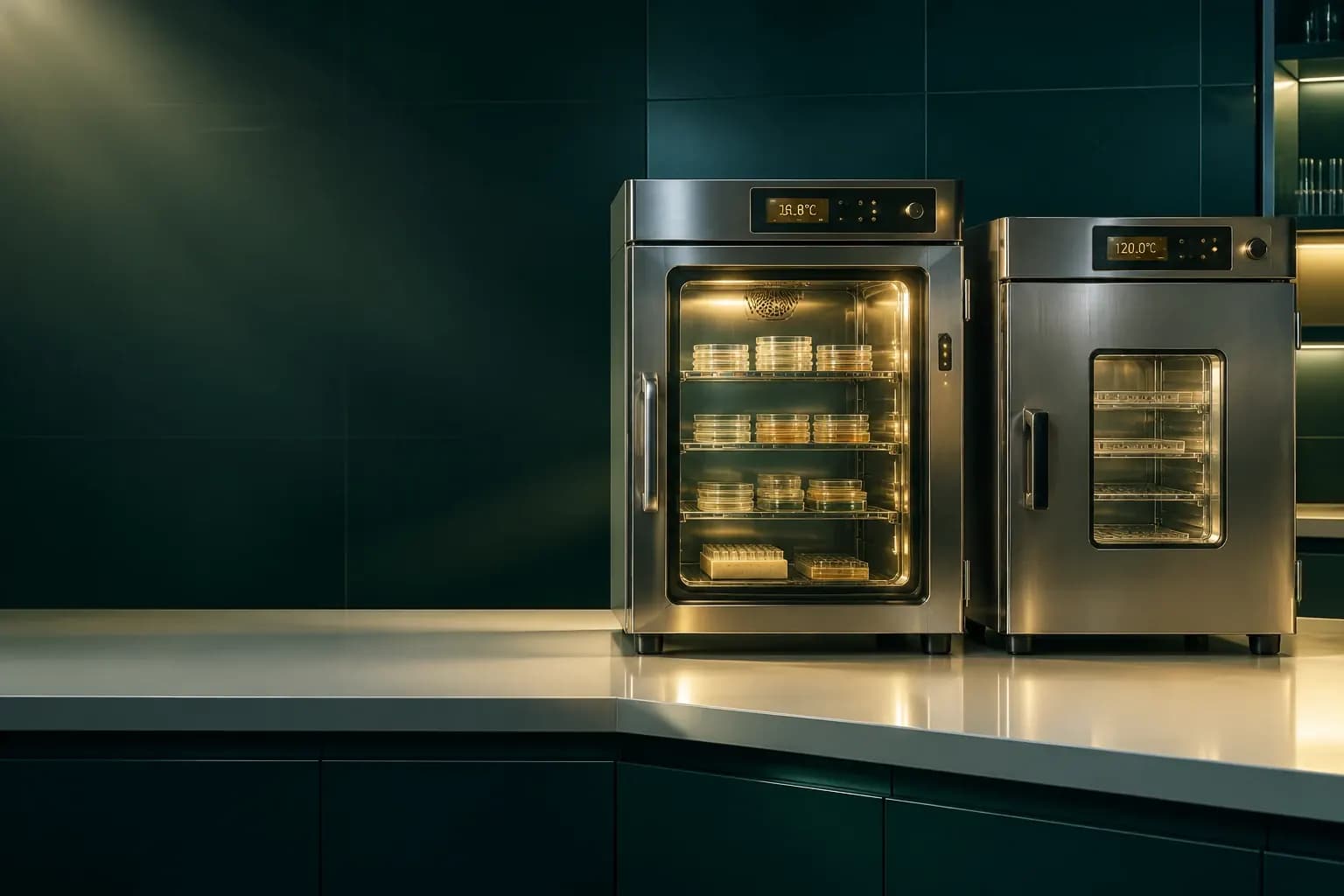
Continuously records incubator, oven and water-bath temperature along with laboratory ambient conditions, keeping test results defensible.
Why this monitoring is needed
A microbiological or drying test is valid only if the instrument held its temperature band throughout the run. The dial on the unit shows the instant you look at it, and an incubator that spent several hours out of band at night reads correctly again by morning.
The second dimension is accreditation. An accredited laboratory has to show that its critical equipment is monitored continuously and documented. A manual entry three times a day covers neither nights nor holidays, and does not stand as reliable evidence in an audit.
What gets measured
Internal temperature of each instrument
A PT100 inside the chamber; up to 250 °C for high-temperature ovens and in its narrow band for an incubator.
Chamber temperature uniformity
Several points in a large chamber — corners and centre do not share the same temperature.
Laboratory ambient temperature and humidity
Room conditions affect instrument performance and are themselves part of the test method's requirements.
Door openings and instrument operation
Opening an incubator door breaks the temperature curve and must be logged to explain the deviation.
Laboratory power
An overnight power cut is the most common cause of a long-running test being voided.
Recommended equipment
Every model below is from the Fidar Electronics range. The final combination is set after a site survey or an engineering consultation.
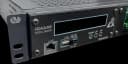
FCD6455-01
FIDAQUIRE FCD6455-01 Industrial Data Logger
Central logger with continuous reporting and access levels for audit
View product ←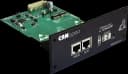
FBC0232-01
FBC0232-01 CANopen Input Card
CANopen card connecting every instrument on one cable
View product ←
FTR0100-01
PT100 Temperature Sensor
PT100 sensor inside incubators, ovens and water baths
View product ←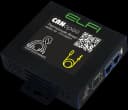
FTH1260-01
Type-K Thermocouple Sensor
Type-K thermocouple sensor for high-temperature furnaces
View product ←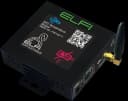
FTR0100-11
Wireless PT100 Temperature Sensor
Wireless PT100 for instruments that cannot be cabled
View product ←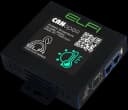
FTA3070-01
Temperature and Humidity Sensor
Laboratory ambient temperature and humidity sensor
View product ←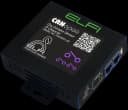
FDD0001-02
3-Channel Dry Contact Detector
3-channel dry-contact detector for doors and instrument alarm outputs
View product ←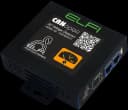
FDV0220-01
AC Voltage Detector
AC voltage detector for laboratory power
View product ←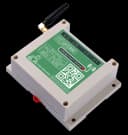
FWN0260-01
FWN0260-01 GSM Communication Modem (Dual SIM)
GSM modem for alarms during holidays and power cuts
View product ←Alarm and automation rules
- 1
Instrument temperature outside the method's band: immediate alarm naming the unit with the deviation logged.
- 2
Point-to-point spread in a chamber beyond the allowed band: non-uniformity alarm and a service request.
- 3
A deviation outside working hours: high-priority alarm — nobody is there to intervene.
- 4
Power loss: GSM alarm with an exact timestamp, to decide the validity of runs in progress.
- 5
Automatic daily and monthly XLS reports for the accreditation file.
What the operator gets
Tests voided by an undetected deviation are eliminated.
The requirement for continuous monitoring of critical equipment is met with automatic reports.
Chamber non-uniformity is identified before it affects results.
Frequently asked questions
Does this replace periodic calibration?
No. Calibration against a traceable reference is a separate requirement and stays exactly where it is. This is continuous monitoring: between two calibrations it shows whether the instrument actually stayed in band — a question calibration does not answer.
Which sensor is needed above 250 °C?
A Type-K thermocouple. The PT100 covers up to 250 °C and above that a thermocouple is required; choosing wrong destroys the sensor on the very first run.
Related solutions
Want this solution on your own site?
Send us the site details and we will put together the equipment list and a technical proposal to match.