
UPS and generator monitoring
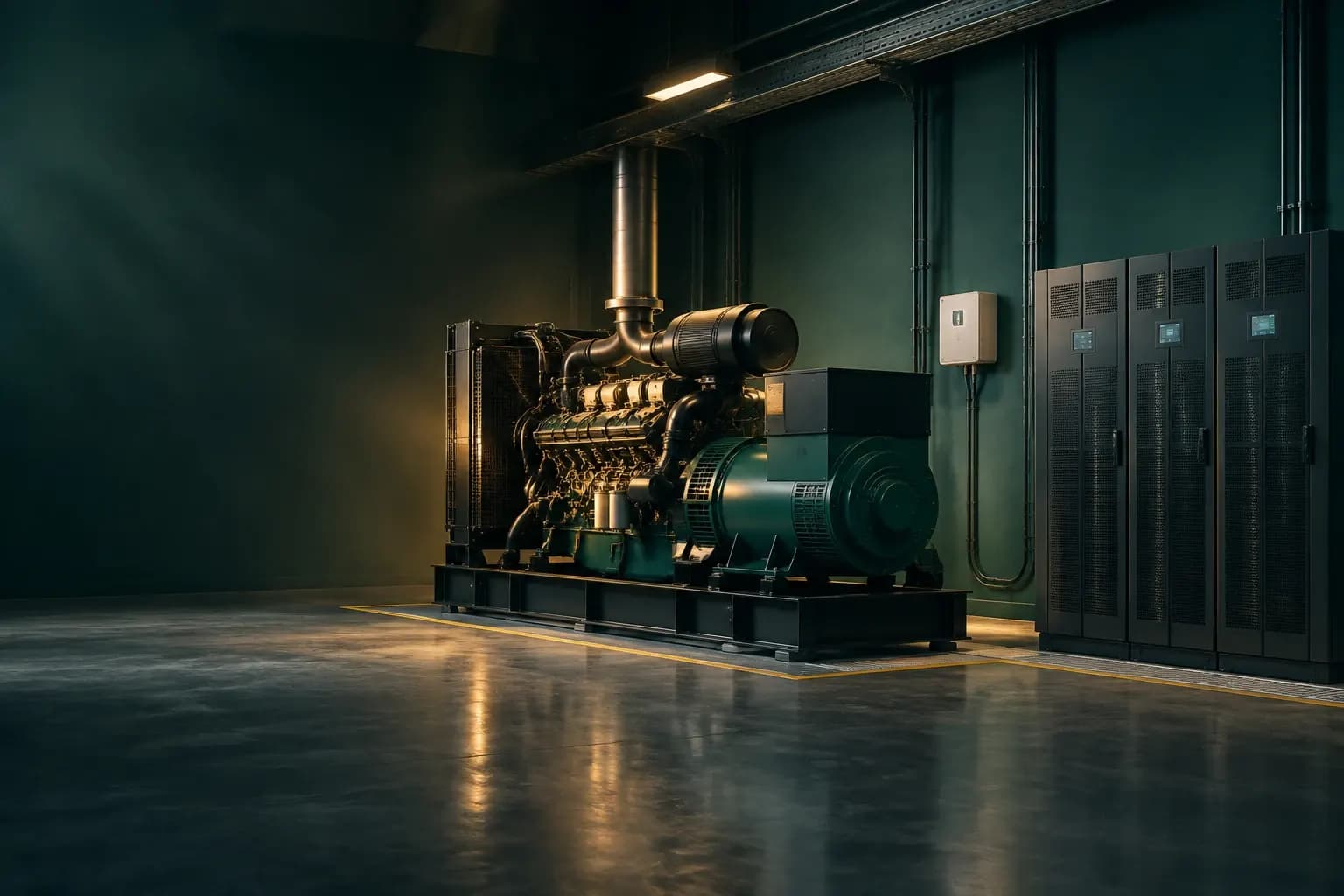
Reads mains, UPS output and diesel generator behaviour together, so at the moment of an outage you know exactly which link of the backup chain failed.
Why this monitoring is needed
The backup chain has three links: mains, UPS and generator. The common experience is that all three are "tested" monthly and on the day it matters one of them does not work — the UPS batteries have aged, the generator will not start, or the transfer switch does not operate. A monthly test sees a moment; continuous monitoring sees the trend.
The second point is real autonomy. A UPS's nameplate rating is not today's capacity, and the only way to know the gap is to record how it behaved in actual outages — which requires a history to look back at.
What gets measured
Mains presence and UPS output
Two separate AC voltage detector channels log the exact moment load transfers to battery and the moment it returns.
UPS output load
Output current shows what percentage of load the UPS carries; creeping overload is the number-one cause of shrinking autonomy.
Battery bank voltage
The discharge curve in each outage measures real battery health; a faster fall than last time means replacement is due.
Generator start and run
Dry contacts on the generator control panel give the start command and fault state, while output current proves it actually ran under load.
UPS room temperature
Both UPS and batteries are temperature sensitive and UPS rooms are usually under-ventilated; temperature acts directly on battery life.
Recommended equipment
Every model below is from the Fidar Electronics range. The final combination is set after a site survey or an engineering consultation.
FCD6455-01
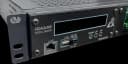
FIDAQUIRE FCD6455-01 Industrial Data Logger
Central logger recording every link of the backup chain on one timeline
View product ←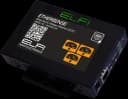
FAV0220-25
3-Channel Networked AC Voltage Detector
3-channel AC voltage detector: mains, UPS output, generator output
View product ←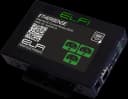
FAC2000-23
3-Channel Networked AC Current Sensor
3-channel AC current sensor for UPS output load
View product ←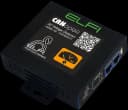
FAV0220-04
DC Voltage Level Sensor
DC voltage-level sensor for the battery bank
View product ←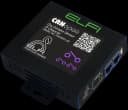
FDD0001-02
3-Channel Dry Contact Detector
3-channel dry-contact detector for generator panel alarm outputs
View product ←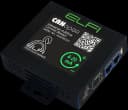
FAC0420-01
4–20 mA Current Sensor
4–20 mA input for the generator fuel-level transmitter
View product ←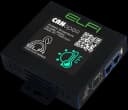
FTA3070-01
Temperature and Humidity Sensor
Temperature and humidity sensor for the UPS room
View product ←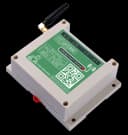
FWN0260-01
FWN0260-01 GSM Communication Modem (Dual SIM)
GSM modem to deliver alarms during the very outage that also takes the network down
View product ←Alarm and automation rules
- 1
Transfer to battery: timestamp and start the timer; if the generator does not pick up the load within its window, critical alarm.
- 2
UPS output above 80 % of rating: capacity warning — autonomy shortens sharply beyond that point.
- 3
Battery voltage falling faster than the reference curve: ageing alarm with a capacity-test recommendation.
- 4
Any generator panel alarm — coolant temperature, oil pressure, fail-to-start — reported immediately by SMS.
- 5
UPS room above 25 °C: alarm, with its effect on battery life noted in the report.
What the operator gets
The backup chain is proven continuously instead of once a month.
Real autonomy comes from the data rather than from the nameplate.
Every outage produces a full sequence-of-events report that settles the root-cause question.
Frequently asked questions
Our UPS already speaks SNMP — do we still need sensors?
The UPS's own SNMP feed is useful, but it only tells the UPS's version of events. An independent sensor measures what is actually on the line, and when the UPS control board is itself the fault — precisely the critical case — it is the only trustworthy source. The FIDAQUIRE logger carries both side by side.
Can the generator be started remotely?
Yes, through a relay output wired to the start input on the generator control panel. It must be done with the panel manufacturer and with the safety interlocks intact — a remote command must never bypass an existing interlock.
Related solutions
Want this solution on your own site?
Send us the site details and we will put together the equipment list and a technical proposal to match.