
Gas distribution and CGS monitoring
Monitors gas pressure-reduction stations — CGS and TBS — for pressure, gas temperature, station power and unauthorised entry.

Why this monitoring is needed
A pressure-reduction station is the point where both network safety and continuity of supply are decided. Outlet pressure outside its band is hazardous for the consumer and can take the downstream network out of service; and because these stations are normally unattended, a deviation stays invisible until the next visit.
The second phenomenon is the temperature drop across expansion — the Joule-Thomson effect. If the station heater underperforms, gas temperature after the regulator falls and hydrate formation and regulator icing become a real risk. Logging temperature both upstream and downstream of the regulator exposes this before a blockage.
What gets measured
Inlet and outlet pressure
4–20 mA pressure transmitters either side of the regulator record how the reduction actually behaves.
Gas temperature before and after the regulator
PT100 sensors in thermowells; the difference between the two points measures heater performance and icing risk.
Station heater operation
Heater bath temperature plus the burner's dry contact show whether the heater is working or merely energised.
Station power and lighting
An AC voltage detector reports the station power loss that itself disables the heater and control gear.
Site entry and tampering
A dry-contact detector on the compound gate and a shock sensor on the equipment log unauthorised access with timestamps.
Recommended equipment
Every model below is from the Fidar Electronics range. The final combination is set after a site survey or an engineering consultation.
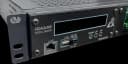
FCD6455-01
FIDAQUIRE FCD6455-01 Industrial Data Logger
Station logger with local recording and operator reporting
View product ←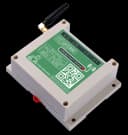
FWN0260-01
FWN0260-01 GSM Communication Modem (Dual SIM)
Dual-SIM GSM modem for out-of-town stations
View product ←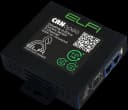
FAC0420-02
3-Channel 4–20 mA Current Sensor
3-channel 4–20 mA input for the pressure transmitters
View product ←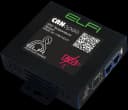
FTR0100-01
PT100 Temperature Sensor
PT100 sensor for gas temperature in a thermowell
View product ←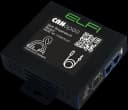
FTD3070-01
Spot Temperature Sensor
Spot temperature sensor for the heater bath
View product ←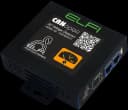
FDV0220-01
AC Voltage Detector
AC voltage detector for station power
View product ←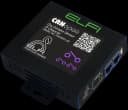
FDD0001-02
3-Channel Dry Contact Detector
3-channel dry-contact detector for burner, safety valve and gate
View product ←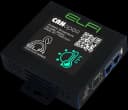
FDS0202-01
Shock Detection Sensor
Shock sensor for equipment tampering
View product ←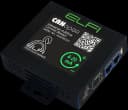
FAC0420-01
4–20 mA Current Sensor
4–20 mA input for the ambient gas-leak detector
View product ←Alarm and automation rules
- 1
Outlet pressure outside its band: immediate SMS to the operator with the deviation duration logged.
- 2
Post-regulator gas temperature below threshold: icing-risk alarm and heater check.
- 3
Heater burner off while bath temperature is low: heater-failure alarm.
- 4
Station power loss: reported at once, since it disables heater and control.
- 5
Compound gate opened outside the inspection schedule: security alarm.
What the operator gets
A pressure deviation is seen in the minute it happens, not at the next periodic visit.
Regulator icing is predicted and prevented by watching the temperature differential.
The pressure and temperature history becomes the operating record for safety audits.
Frequently asked questions
The equipment sits in a gas environment — what about explosion-proof requirements?
The logger and cards are installed in the control room or station cabin, outside the classified area; what enters the hazardous zone is certified process transmitters behind safety barriers. That separation is the standard instrumentation practice at gas stations.
Can the data feed the gas utility's existing SCADA?
Yes. The FIDAQUIRE logger speaks Modbus/TCP, Modbus/RTU and SNMP, so it appears as a data station inside the existing SCADA — no replacement system required.
Related solutions
Want this solution on your own site?
Send us the site details and we will put together the equipment list and a technical proposal to match.