
Water well and pump station monitoring
Monitors wells, pump stations and reservoirs for pressure, flow, tank level and motor health, and keeps the pump from running dry.

Why this monitoring is needed
The most expensive failure at a pump station is dry running: a pump turning without water destroys its bearing and seal within minutes. At unattended stations — which is most of them — nobody finds out until a customer calls.
The second issue is energy. Pumps are among the largest electrical loads on any water network, and running off the best-efficiency point can continue for months unnoticed. Motor current together with discharge pressure are precisely the two numbers that expose that drift.
What gets measured
Suction and discharge pressure
A 4–20 mA pressure transmitter on each side of the pump; falling suction pressure is the first sign of dry running.
Motor current
Current below normal means the pump is turning unloaded; above normal means blockage or mechanical damage.
Reservoir and well level
A level transmitter gives reservoir height and the well's drawdown; its long-term trend reveals aquifer health.
Discharge flow
A 4–20 mA flow meter gives pumped volume, and combined with motor current yields energy per cubic metre.
Incoming power and panel status
An AC voltage detector plus dry contacts from the overload and thermal trip make the reason for a stop unambiguous.
Recommended equipment
Every model below is from the Fidar Electronics range. The final combination is set after a site survey or an engineering consultation.
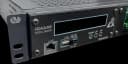
FCD6455-01
FIDAQUIRE FCD6455-01 Industrial Data Logger
Station logger with SMS alarms and local recording
View product ←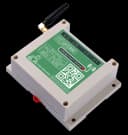
FWN0260-01
FWN0260-01 GSM Communication Modem (Dual SIM)
GSM modem for a station with no fixed line
View product ←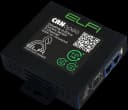
FAC0420-02
3-Channel 4–20 mA Current Sensor
3-channel 4–20 mA input for pressure, level and flow transmitters
View product ←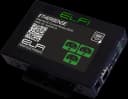
FAC2000-23
3-Channel Networked AC Current Sensor
3-channel AC current sensor for the motor's three phases
View product ←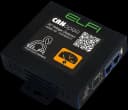
FAV0220-03
AC Voltage Level Sensor
AC voltage-level sensor for incoming supply quality
View product ←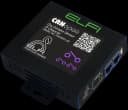
FDD0001-02
3-Channel Dry Contact Detector
3-channel dry-contact detector for overload, thermal trip and panel command
View product ←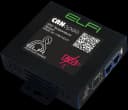
FTR0100-01
PT100 Temperature Sensor
PT100 sensor for motor body and bearing temperature
View product ←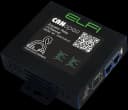
FDR0102-01
2-Channel Relay Module
Relay module for emergency pump stop on dry running
View product ←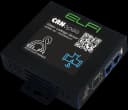
FDW0050-01
Water Leak Sensor
Water-leak sensor in the pump room
View product ←Alarm and automation rules
- 1
Suction pressure below threshold while the motor runs: immediate relay stop and dry-run alarm.
- 2
Motor current below the no-load band: alarm — the pump is not moving water.
- 3
Current above limit or phase imbalance: blockage or winding-fault alarm.
- 4
Reservoir below emergency reserve: critical alarm to the operator.
- 5
Starts per hour above the permitted count: alarm — frequent starts shorten motor life.
What the operator gets
Dry-run damage is effectively eliminated.
Energy per cubic metre becomes measurable, and therefore improvable.
Well drawdown is documented as a long-term trend.
Frequently asked questions
Our station has no permanent power — how does the system work?
The logger runs on a backup battery with a GSM modem, so it keeps recording through an outage and reports the power loss itself. For scattered points on site, the LoRa wireless sensors are battery powered and need no cabling.
Do you supply the pressure transmitter and flow meter too?
Both are selected for pipe size, fluid and working pressure and come from a specialist supplier. Fidar's system reads their standard 4–20 mA or 0–10 V output; our pre-sales engineering helps you specify them correctly.
Related solutions
Want this solution on your own site?
Send us the site details and we will put together the equipment list and a technical proposal to match.