
Smart LoRa-based agriculture
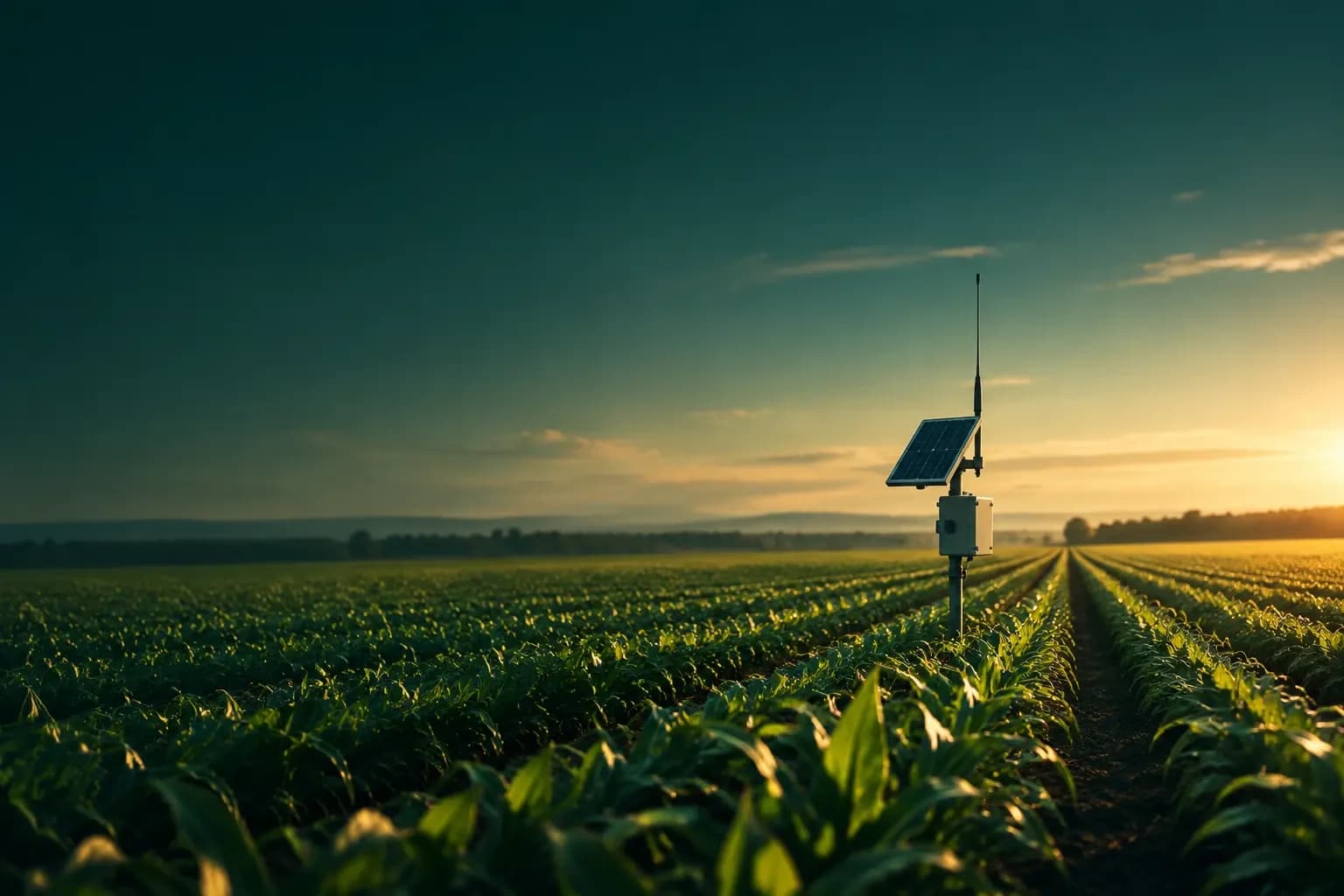
Monitors soil moisture and temperature, weather and irrigation pump operation across a field over a LoRa wireless network, with no cabling at all.
Why this monitoring is needed
The obstacle to a smart farm was never the sensor; it was the cabling. Trenching across farmland is expensive, gets cut by ploughing and turns any expansion into a civil-works project. That is why most farms have no data at all and irrigate on experience and the calendar.
The cost of that missing data is clear: more water than needed, roots rotting in saturated soil, and parts of the field still under-watered. Soil moisture at several points and depths is what solves all three at once.
What gets measured
Soil moisture at several depths
A 4–20 mA or 0–10 V soil moisture probe at root depth and below it.
Soil temperature
A PT100 in the soil; soil temperature governs germination timing and root activity.
Air temperature, humidity and pressure
A local farm weather station underpins evapotranspiration estimates and frost forecasting.
Irrigation pump operation
Motor current and line pressure prove water actually reached the field.
Power and equipment theft
Power loss and impact on the pump panel are both common events on remote farms.
Recommended equipment
Every model below is from the Fidar Electronics range. The final combination is set after a site survey or an engineering consultation.
FCD6455-01
FIDAQUIRE FCD6455-01 Industrial Data Logger
Central farm logger with cloud monitoring and no static IP
View product ←
FWL1600-01
FWL1600-01 LoRa Wireless Card (16 Nodes)
LoRa receiver card for up to 16 nodes on the logger
View product ←
FAC0420-12
Wireless 3-Channel 4–20 mA Current Sensor
Wireless 3-channel 4–20 mA input for the soil moisture probes
View product ←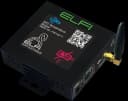
FTR0100-11
Wireless PT100 Temperature Sensor
Wireless PT100 sensor for soil temperature
View product ←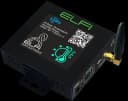
FTA3070-11
Wireless Temperature and Humidity Sensor
Wireless temperature and humidity sensor for the farm weather station
View product ←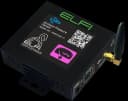
FMP0180-11
Wireless Ambient Pressure Sensor
Wireless ambient pressure sensor for the weather record
View product ←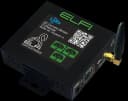
FAC2000-13
Wireless 3-Channel AC Current Sensor
Wireless 3-channel AC current sensor for the irrigation pump
View product ←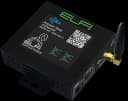
FDR0102-11
Wireless 2-Channel Relay Module
Wireless 2-channel relay module commanding the solenoid valve and pump
View product ←Alarm and automation rules
- 1
Soil moisture below the crop threshold: irrigation started via the wireless relay; upper limit reached: stopped.
- 2
Air temperature approaching frost: pre-emptive alarm so protective action can start.
- 3
Pump running without soil moisture rising: line-failure or emitter-blockage alarm.
- 4
Per-node low-battery warning before the cell dies and that point goes dark.
- 5
Impact or power loss at the pump panel: security alarm by SMS.
What the operator gets
Water use falls once irrigation follows measured soil moisture instead of the calendar.
The system grows by adding a node rather than by trenching new cable.
Frost becomes manageable with a pre-emptive warning.
Frequently asked questions
What is LoRa's real range on a farm?
Up to 1 km line of sight. Farmland is usually relatively open, so real range sits closer to the nominal figure than it does indoors; even so, mounting the receiver high or fitting an external antenna improves coverage noticeably.
How long do the node batteries last?
It depends on the sampling interval — slower sampling, longer life. More important than the nominal figure is that the system issues a per-node low-battery warning, so no point silently drops out of the network.
Related solutions
Want this solution on your own site?
Send us the site details and we will put together the equipment list and a technical proposal to match.