
Poultry solution
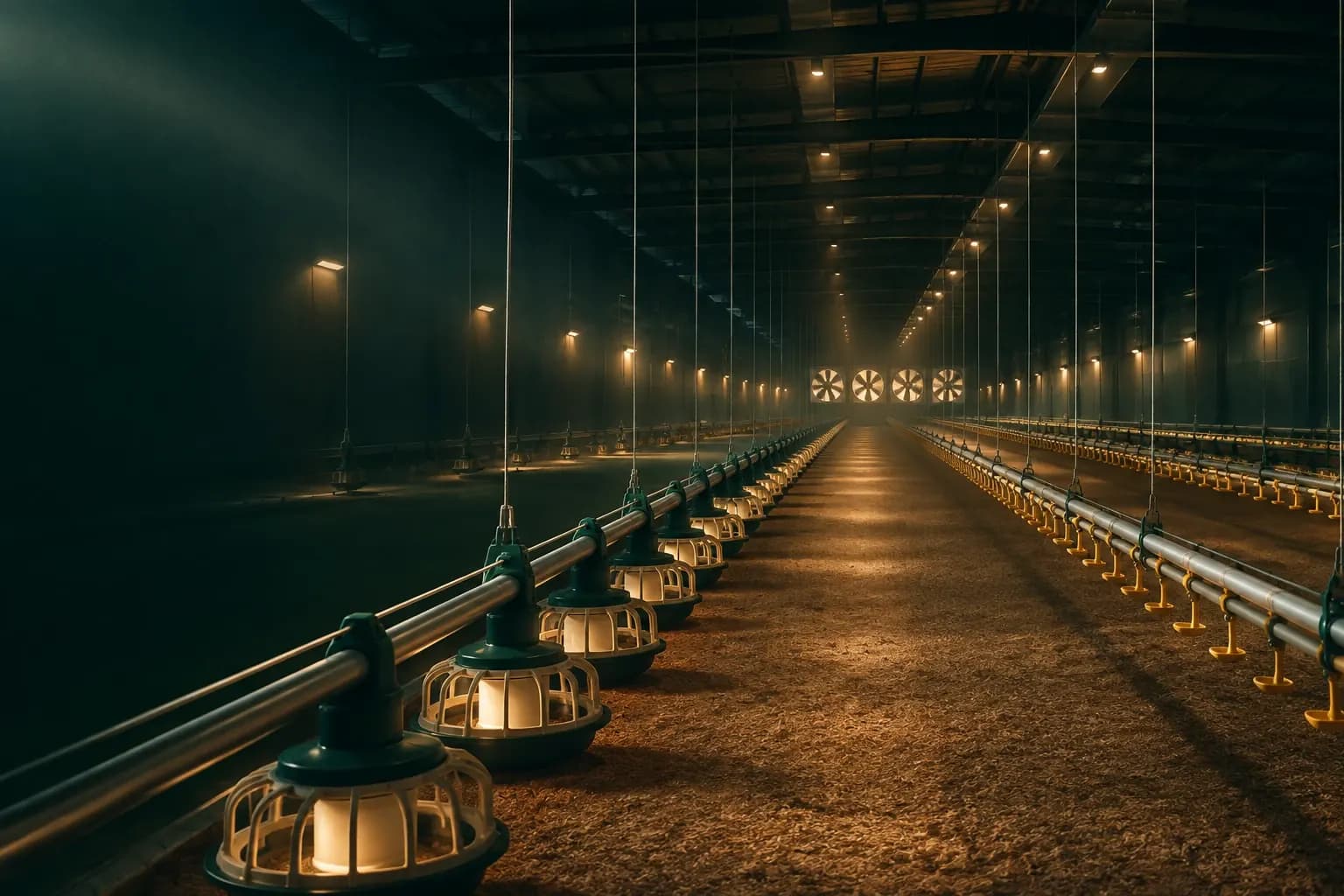
Monitors poultry house temperature, humidity, ventilation, lighting and power around the clock, warning of a power cut or equipment failure before the flock is lost.
Why this monitoring is needed
In a poultry house the gap between a failure and mortality is measured in hours. A stocked house produces a great deal of heat and moisture, and ventilation is the only thing keeping it survivable. If the fans stop at midnight, temperature and ammonia reach lethal levels within a few hours and you meet a dead house in the morning.
The second hazard is slow loss. A few degrees outside the band for the flock's age causes no sudden mortality, but it spoils the feed conversion ratio and holds back weight gain. That cost appears in no report unless house temperature has been recorded.
What gets measured
Temperature along the house
Several points from the air inlet to the far end; the spread reveals the real airflow pattern and any cold spots.
Relative humidity and litter
High humidity wets the litter and raises ammonia; low humidity produces dust and respiratory problems.
Ammonia and CO₂ concentration
4–20 mA NH₃ and CO₂ detectors; these two indices measure whether ventilation is genuinely adequate.
Ventilation fan operation
Motor current per fan group; a fan with power and a broken belt looks exactly like a working one from outside.
Lighting and the light programme
Lighting circuit current proves the light programme actually ran — and that programme acts directly on growth.
House power and generator
A power cut in a stocked house is the most critical event there is, and must be reported independently of the site network.
Recommended equipment
Every model below is from the Fidar Electronics range. The final combination is set after a site survey or an engineering consultation.
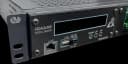
FCD6455-01
FIDAQUIRE FCD6455-01 Industrial Data Logger
Central logger with local recording, threshold logic and staged alarms
View product ←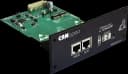
FBC0232-01
FBC0232-01 CANopen Input Card
CANopen card chaining the house's sensors on one cable
View product ←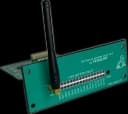
FWL1600-01
FWL1600-01 LoRa Wireless Card (16 Nodes)
LoRa receiver card for up to 16 nodes, for points that are hard to cable
View product ←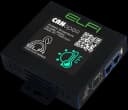
FTA3070-01
Temperature and Humidity Sensor
Temperature and humidity sensor, several along the house
View product ←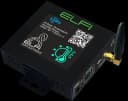
FTA3070-11
Wireless Temperature and Humidity Sensor
Wireless temperature and humidity sensor for points off the cable route
View product ←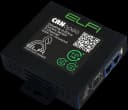
FAC0420-02
3-Channel 4–20 mA Current Sensor
3-channel 4–20 mA input for ammonia, CO₂ and static-pressure sensors
View product ←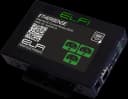
FAC2000-23
3-Channel Networked AC Current Sensor
3-channel AC current sensor for the ventilation fan groups
View product ←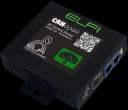
FAC2000-01
AC Current Sensor
AC current sensor for the lighting circuit, proving the light programme ran
View product ←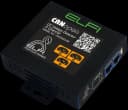
FAV0220-05
3-Channel AC Voltage Detector
3-channel AC voltage detector for mains, generator and the ventilation panel
View product ←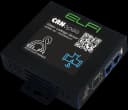
FDW0050-01
Water Leak Sensor
Water-leak sensor along the drinker line and in the plant room
View product ←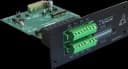
FDR0508-01
FDR0508-01 8-Channel Relay Output Card
8-channel relay card for emergency fans, inlets, heating and siren
View product ←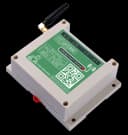
FWN0260-01
FWN0260-01 GSM Communication Modem (Dual SIM)
Dual-SIM GSM modem for alarms during a power cut or with no network
View product ←Alarm and automation rules
- 1
House temperature outside the band for the flock's age: first-level alarm. Outside the critical band: immediate SMS and emergency fans commanded.
- 2
One fan group's current lost while commanded on: immediate alarm naming the group, with no delay.
- 3
Ammonia above threshold: ventilation increased by relay with the deviation logged.
- 4
Mains loss: start the timer and watch for the generator; if it does not pick up within its window, a critical alarm escalated to several contacts.
- 5
The lighting circuit deviating from the light programme: alarm — that programme acts directly on flock growth.
What the operator gets
Mortality from an overnight ventilation stop or a power cut is effectively eliminated.
Feed conversion improves once temperature is genuinely held in the band for the flock's age.
Each cycle's conditions are recorded, making successful and failed cycles comparable.
Several houses and several farms run from one dashboard under one alarm policy.
Frequently asked questions
If farm power fails, how does the alarm get out?
The logger keeps running on its backup battery and the FWN0260-01 dual-SIM GSM modem sends the SMS over the mobile network. The alarm path is deliberately kept off site power and the site network, because the most critical event to report is precisely that power cut.
Does this replace our existing ventilation controller?
No. The ventilation controller stays and keeps running the fan and inlet logic. Fidar's system is an independent monitoring and alarm layer: it measures temperature and ammonia separately and reads fan motor current, so when the controller itself or a fan has failed — precisely the critical case — it has its own account of events. The controller's alarm output is also brought in as a dry-contact channel.
How many temperature points does one house need?
The practical rule is to cover the zones that behave differently: near the inlet, mid-house and at the far end, at bird height. A CANopen card carries up to 64 sensors on one cable, so adding points costs no new home runs — start with three.
Related solutions
Want this solution on your own site?
Send us the site details and we will put together the equipment list and a technical proposal to match.