
Dairy farm and raw milk monitoring
Monitors bulk milk tank temperature, cool-down time, barn temperature and humidity and milking-plant operation, documenting both milk quality and herd welfare.

Why this monitoring is needed
Raw milk has a critical window between milking and reaching storage temperature. If the tank cools slowly or warms overnight, bacterial load climbs and the dairy pays less or rejects the load. The cause is usually never established, because nobody recorded the tank's overnight temperature.
The other side is the herd itself. Heat stress cuts milk yield sharply on hot days and the effect lasts for weeks. The barn's temperature-humidity index is what separates "it is warm" from "the herd is under stress".
What gets measured
Bulk milk tank temperature
A PT100 in a sheath inside the tank; the cool-down curve after each milking is the load's quality record.
Cool-down time
The time from milking temperature to storage temperature indexes chiller health and final bacterial load.
Barn temperature and humidity
The heat-stress index is built from the two and drives fan and misting commands.
Chiller and milking plant operation
Chiller and milk-pump motor current expose a failure before the load spoils.
Farm power
A power cut stops both the chiller and barn ventilation — both critical in summer.
Recommended equipment
Every model below is from the Fidar Electronics range. The final combination is set after a site survey or an engineering consultation.
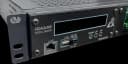
FCD6455-01
FIDAQUIRE FCD6455-01 Industrial Data Logger
Central logger recording the cool-down curve and barn conditions
View product ←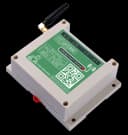
FWN0260-01
FWN0260-01 GSM Communication Modem (Dual SIM)
GSM modem for a farm with no fixed line
View product ←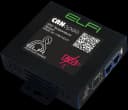
FTR0100-01
PT100 Temperature Sensor
PT100 sensor for milk tank temperature
View product ←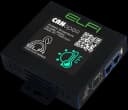
FTA3070-01
Temperature and Humidity Sensor
Barn temperature and humidity sensor, several along the shed
View product ←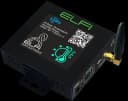
FTA3070-11
Wireless Temperature and Humidity Sensor
Wireless temperature and humidity sensor for distant sheds
View product ←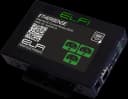
FAC2000-23
3-Channel Networked AC Current Sensor
3-channel AC current sensor for chiller, milk pump and fans
View product ←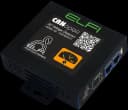
FDV0220-01
AC Voltage Detector
AC voltage detector for farm power
View product ←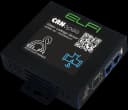
FDW0050-01
Water Leak Sensor
Water-leak sensor in the milking parlour and tank room
View product ←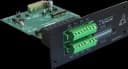
FDR0508-01
FDR0508-01 8-Channel Relay Output Card
8-channel relay card for ventilation fans and misters
View product ←Alarm and automation rules
- 1
Tank above storage temperature beyond the permitted duration: immediate alarm with the deviation logged in the load's file.
- 2
Cool-down slower than the reference: chiller performance alarm, ahead of any spoiled load.
- 3
Barn heat-stress index above threshold: fans and misters started by relay.
- 4
Chiller current lost while the tank holds milk: top-priority alarm.
- 5
Farm power loss: critical GSM alarm, independent of site power.
What the operator gets
Every milk load carries a documented temperature curve, settling disputes with the dairy on data.
Yield loss to heat stress is reduced by ventilating at the right moment.
Chiller failure is caught while performance is merely dropping, not once a load is rejected.
Frequently asked questions
Is a sensor inside the milk tank hygienic?
The PT100 sits in a stainless thermowell and never touches the milk directly; the well is part of the tank and is cleaned in the CIP cycle. This is the standard way temperature is measured in food-industry tanks.
Our sheds are far from the control room.
For distant sheds the LoRa wireless sensors reach up to 1 km line of sight with no cabling. The milk tank and plant room are usually near the control room and those are wired on the CANopen bus.
Related solutions
Want this solution on your own site?
Send us the site details and we will put together the equipment list and a technical proposal to match.