
Greenhouse solution
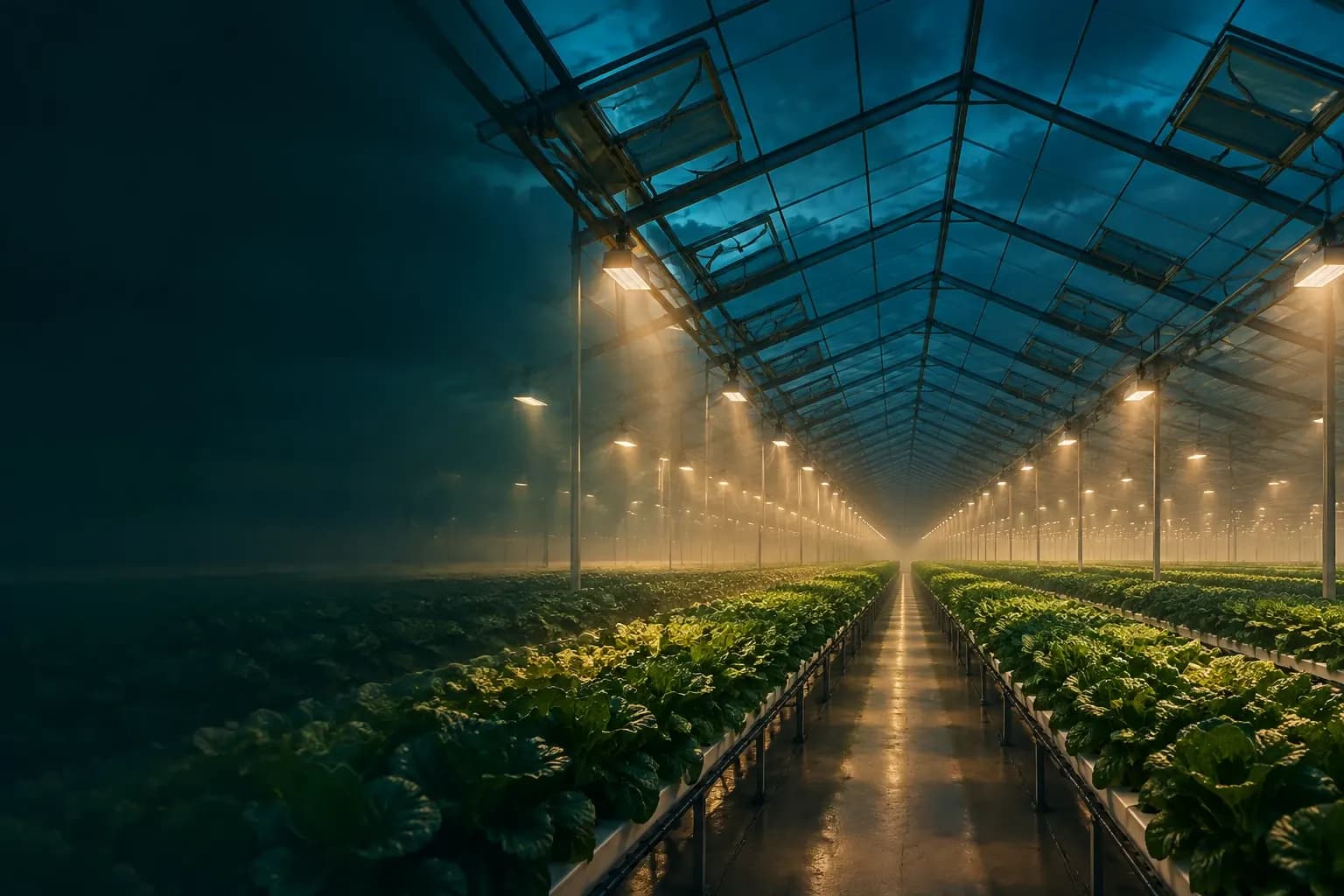
Monitors and controls greenhouse temperature, humidity, light, CO₂ and ventilation through every hour nobody is on site, reporting a deviation before the crop is damaged.
Why this monitoring is needed
A greenhouse fails in the hours when nobody is there. At night, at the weekend, out of season, there is no one to notice that a ventilation fan has stopped or a heating valve never opened. By morning, one cold night or half a day without ventilation is enough to destroy months of work.
The second hazard is slower: humidity. Sustained high humidity is the ground for fungal disease, and its effect appears weeks later as spotting and rot, by which time it can no longer be traced to a particular night. What makes it manageable is a continuous temperature and humidity record, not a daily walk-round.
What gets measured
Temperature and humidity at several points
Near the vent, mid-house and at the far end of the last row; the spread between them exposes poor air distribution.
Light intensity
A 4–20 mA light sensor builds the day's accumulated radiation and drives the supplementary lighting command.
CO₂ concentration
In a closed house CO₂ is the limiting factor for photosynthesis; a CO₂ transmitter makes it measurable and dosable.
Soil moisture and temperature
A soil moisture probe at root depth and a PT100 in the bed; irrigation follows these two rather than the clock.
Fan, valve and pump operation
Motor current proves the fan is moving air and the pump is moving water; a broken belt is invisible from outside.
Site power and water leaks
A power cut in a greenhouse stops heating, ventilation and irrigation at once — the most critical event there is on a cold night.
Recommended equipment
Every model below is from the Fidar Electronics range. The final combination is set after a site survey or an engineering consultation.
FCD6455-01
FIDAQUIRE FCD6455-01 Industrial Data Logger
Central logger holding the schedule, threshold logic and SMS alarms
View product ←
FBC0232-01
FBC0232-01 CANopen Input Card
CANopen card chaining the house's sensors on one cable
View product ←
FTA3070-01
Temperature and Humidity Sensor
Temperature and humidity sensor, several per house
View product ←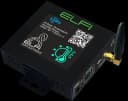
FTA3070-11
Wireless Temperature and Humidity Sensor
Wireless version for distant houses and points that cannot be cabled
View product ←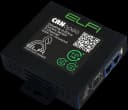
FAC0420-02
3-Channel 4–20 mA Current Sensor
3-channel 4–20 mA input for light, CO₂ and soil moisture
View product ←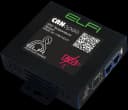
FTR0100-01
PT100 Temperature Sensor
PT100 sensor for bed temperature and heating water
View product ←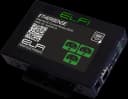
FAC2000-23
3-Channel Networked AC Current Sensor
3-channel AC current sensor for ventilation fan, irrigation pump and misters
View product ←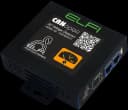
FDV0220-01
AC Voltage Detector
AC voltage detector for site power
View product ←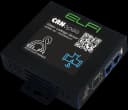
FDW0050-01
Water Leak Sensor
Water-leak sensor in the plant room and along the pipe runs
View product ←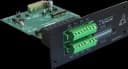
FDR0508-01
FDR0508-01 8-Channel Relay Output Card
8-channel relay card for heating, fans, vents, misting and lighting
View product ←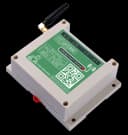
FWN0260-01
FWN0260-01 GSM Communication Modem (Dual SIM)
GSM modem for overnight alarms, independent of site power and network
View product ←Alarm and automation rules
- 1
Temperature outside the crop band: heating or ventilation commanded by relay with the deviation logged; an overnight drop carries higher priority.
- 2
Humidity sustained above threshold: ventilation increased — this is the state that breeds fungal disease.
- 3
Fan or pump current lost while commanded on: immediate alarm naming the equipment.
- 4
Soil moisture below threshold: irrigation started; upper limit reached: stopped, so roots do not rot in saturated soil.
- 5
Site power loss: critical GSM alarm — heating, ventilation and irrigation all stop together.
What the operator gets
Losing a crop to an overnight equipment failure is effectively eliminated.
Fungal disease is contained by controlling humidity before symptoms appear.
Water and energy use fall once irrigation and ventilation follow measurement.
Each cycle's conditions are recorded, making good and poor harvests comparable.
Frequently asked questions
Is one system enough for several houses?
Yes. Each FBC0232-01 CANopen card supports up to 64 sensors and the logger accepts up to five cards. Thresholds are set per house, since houses usually hold different crops or different growth stages.
Do you supply the CO₂ and light sensors?
Both come from a specialist supplier with a standard 4–20 mA or 0–10 V output. Fidar's system reads them, logs them and turns them into alarms and commands; our pre-sales engineering helps you specify them correctly.
Will a sensor survive greenhouse humidity?
Fidar's temperature and humidity sensor reads up to 100 % RH, but its rated operating condition is non-condensing. In a greenhouse it must sit in a vented protective housing away from direct spray and misting — build that into the installation design.
Related solutions
Want this solution on your own site?
Send us the site details and we will put together the equipment list and a technical proposal to match.