
Telecom tower and BTS site monitoring
Monitors BTS sites and telecom towers for power, generator fuel, shelter temperature, door events and equipment theft.

Why this monitoring is needed
A telecom site is typically remote, unguarded and dependent on unreliable power. Three failures cause most of the downtime: the generator running out of fuel, the battery bank discharging, and shelter ventilation failing. All three are visible in the data hours before the outage.
The second hazard is theft. Copper, batteries and even generators disappear from unmonitored sites, sometimes undiscovered for weeks. A door detector, a shock sensor and a sudden battery-voltage collapse together form a pattern that flags a theft within the first minutes.
What gets measured
Mains and generator output
A 3-channel AC voltage detector reports mains, generator output and main panel output separately, so the source of an outage is unambiguous.
Battery bank voltage
A DC voltage-level sensor logs the charge and discharge trend; a fast collapse means a failed cell or a stolen battery.
Generator fuel level
A tank-level transmitter with a 4–20 mA output feeds the system and shows real fuel use against generator running hours.
Shelter temperature and AC operation
Shelter temperature is logged alongside the AC unit's current draw; a unit drawing power without cooling only shows up when those two are read together.
Door, impact and unauthorised access
Shelter door openings and impacts on equipment are timestamped and announced as they happen.
Recommended equipment
Every model below is from the Fidar Electronics range. The final combination is set after a site survey or an engineering consultation.
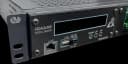
FCD6455-01
FIDAQUIRE FCD6455-01 Industrial Data Logger
Site logger with local recording and alarms independent of the transport network
View product ←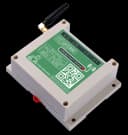
FWN0260-01
FWN0260-01 GSM Communication Modem (Dual SIM)
Dual-SIM GSM modem giving an alarm path separate from the site's own transmission link
View product ←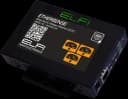
FAV0220-25
3-Channel Networked AC Voltage Detector
3-channel AC voltage detector for mains, generator and main panel
View product ←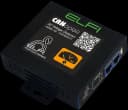
FAV0220-04
DC Voltage Level Sensor
DC voltage-level sensor for the battery bank
View product ←
FAC0420-01
4–20 mA Current Sensor
4–20 mA input for the fuel-level transmitter
View product ←
FTA3070-01
Temperature and Humidity Sensor
Temperature and humidity sensor inside the shelter
View product ←
FAC2000-01
AC Current Sensor
AC current sensor proving the AC unit is actually running
View product ←
FDD0001-01
Dry Contact Detector
Dry-contact detector on the shelter door
View product ←
FDS0202-01
Shock Detection Sensor
Shock sensor on the rack and battery cabinet
View product ←Alarm and automation rules
- 1
Mains loss: start the timer and watch battery voltage; if the generator does not start within its window, alarm immediately.
- 2
Fuel below 25 %: raise a refuelling request. Below 10 %: critical SMS alarm.
- 3
Battery voltage dropping more than the allowed rate in a short window: theft pattern or failed cell — alarm at once.
- 4
Shelter over temperature while the AC unit is drawing current: a cooling fault, not a power cut — alarmed with a distinct message.
- 5
Door opened with no open service ticket: security alarm, correlated with shock events.
What the operator gets
Fuel-out outages disappear once refuelling is scheduled from data rather than from a route plan.
Battery bank life improves when the discharge trend is visible and a failed cell is replaced in time.
Theft is announced in the first minutes rather than at the next periodic visit.
Frequently asked questions
How does an alarm get out if the site's transmission link fails?
Through the dual-SIM GSM modem. The alarm path is deliberately kept off the site's main link, because a large share of the events you need reported are exactly the ones that take that link down.
Do you supply your own fuel-level sensor?
The tank sensor itself is chosen for the tank's geometry and comes from a specialist supplier. Fidar's system reads its standard 4–20 mA or 0–10 V output, logs it and turns it into alarms — so any common industrial transmitter can be connected.
Related solutions
Want this solution on your own site?
Send us the site details and we will put together the equipment list and a technical proposal to match.