
Mining conveyor belt monitoring
Monitors drive motor current, idler bearing temperature and belt vibration on mining conveyors, catching belt tears and idler fires before they stop the line.

Why this monitoring is needed
A mining conveyor is the operation's single point of failure: if the belt stops, crushing, loading and dispatch all stop with it. One hour of main-belt downtime costs more than the entire monitoring system.
The most dangerous case is a seized idler that drags on the belt instead of turning. Friction raises the contact temperature, and on a rubber belt in a dusty environment that combination can end in a fire. The only early sign is that bearing's temperature.
What gets measured
Drive motor current
Current rising at constant load means friction has increased; a sudden fall means the belt has torn or the feed has stopped.
Idler and drum bearing temperature
A PT100 on the critical bearings; a seizing idler runs hot for weeks before the incident.
Structure and drum vibration
The shock sensor logs rising vibration from drum imbalance and misalignment.
Belt drift and safety switches
Dry contacts from belt-drift switches, pull-cord stops and rip switches are all timestamped.
Dust along the belt line
Dust concentration is both a safety index and a sign of failed scrapers and transfer-point sealing.
Recommended equipment
Every model below is from the Fidar Electronics range. The final combination is set after a site survey or an engineering consultation.
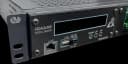
FCD6455-01
FIDAQUIRE FCD6455-01 Industrial Data Logger
Central logger covering the whole belt line in one history
View product ←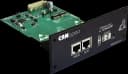
FBC0232-01
FBC0232-01 CANopen Input Card
CANopen card chaining sensors along the route, up to 500 m of bus
View product ←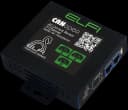
FAC2000-03
3-Channel AC Current Sensor
3-channel AC current sensor for the drive motor's three phases
View product ←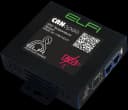
FTR0100-01
PT100 Temperature Sensor
PT100 sensor for drum and critical idler bearings
View product ←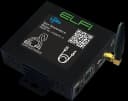
FTD3070-11
Wireless Spot Temperature Sensor
Wireless spot temperature sensor for points far from any panel along the belt
View product ←
FDS0202-01
Shock Detection Sensor
Shock sensor for drum and structure vibration
View product ←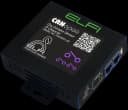
FDD0001-02
3-Channel Dry Contact Detector
3-channel dry-contact detector for drift switch, pull cord and rip switch
View product ←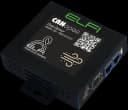
FMD1210-01
Ambient Dust Sensor
Dust sensor at the transfer points
View product ←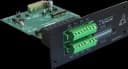
FDR0508-01
FDR0508-01 8-Channel Relay Output Card
8-channel relay card for emergency stop, siren and water spray
View product ←Alarm and automation rules
- 1
A bearing several degrees above its peers: seizing-idler alarm naming the point.
- 2
Sudden drop in motor current while commanded on: belt-tear or feed-loss alarm.
- 3
Current creeping up at comparable load: rising-friction alarm and an idler inspection request.
- 4
Drift switch or pull cord operating: timestamped record and immediate notification.
- 5
Bearing temperature above the critical threshold: belt stopped by relay as a backup safety interlock.
What the operator gets
Fires from a seized idler are prevented by an early temperature warning.
Unplanned main-belt stoppages fall with planned component replacement.
Idler inspection becomes targeted by data instead of walking the whole line.
Frequently asked questions
Our belt line runs for kilometres — how is it covered?
By combining two methods: a CANopen bus up to 500 m per card, and LoRa wireless up to 1 km line of sight for the far points. In practice monitoring concentrates on the critical points — drums, transfer points and main bearings — rather than every idler on the route.
Is a dusty, damp mine environment a problem for the sensors?
The PT100 contact sensor sits in a sheath on the bearing and is not exposed. For the electronics, mounting in a protective enclosure of the right ingress rating is mandatory, and that is addressed explicitly in the installation design of every mining project.
Related solutions
Want this solution on your own site?
Send us the site details and we will put together the equipment list and a technical proposal to match.