
Mine and steel plant substation monitoring
Monitors mine and steel-plant substations for transformer and joint temperature, feeder load, humidity and water ingress, eliminating production-line power outages.
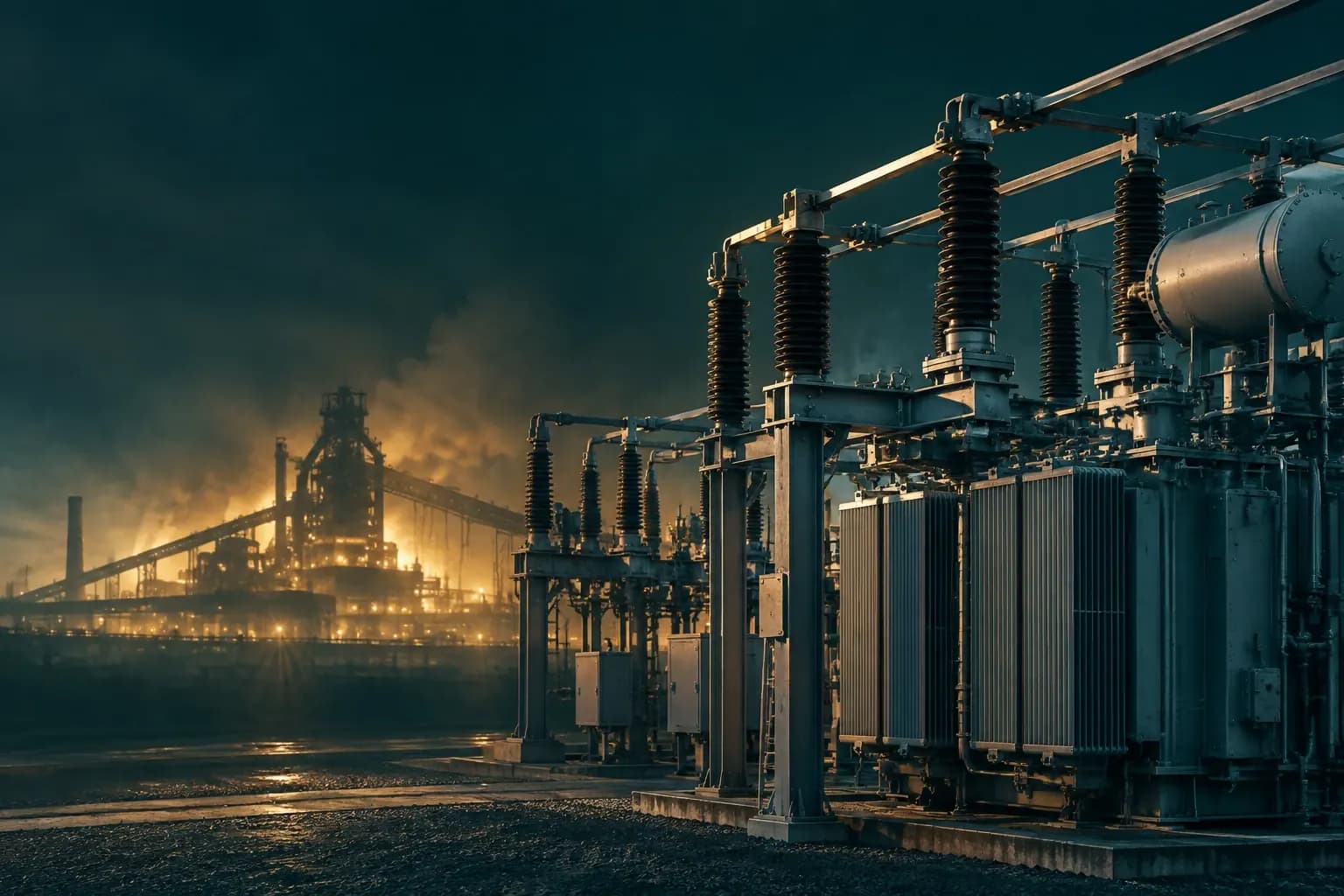
Why this monitoring is needed
In a steel plant a power cut is not merely stopped production; with melt in the furnace, the damage to the furnace and to work in progress costs several times the downtime. Such a plant's substation carries very heavy loads with violent swings, and both stress the transformer and the switchgear.
In a mine the problem is distance and environment: the substation usually sits far from the control room, in dust, under extreme day-night temperature swings. Dust settles on insulators and joints and overnight humidity makes it conductive — a combination that ends in flashover.
What gets measured
Transformer oil and winding temperature
A PT100 in the oil pocket and a 4–20 mA input from the winding temperature monitor.
Joint and busbar temperature
Under a steel plant's heavy load, a loose joint heats far faster than it would elsewhere.
Feeder load and swings
Per-feeder current through a CT; the furnace's violent load swings appear right here.
Substation humidity and dust
Settled dust plus overnight humidity is the main driver of flashover across insulators.
Protection relays and water ingress
Trip and Buchholz dry contacts, alongside sensing cable in the cable trench and on the floor.
Recommended equipment
Every model below is from the Fidar Electronics range. The final combination is set after a site survey or an engineering consultation.
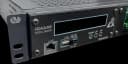
FCD6455-01
FIDAQUIRE FCD6455-01 Industrial Data Logger
Substation logger with SNMP and Modbus output for the plant SCADA
View product ←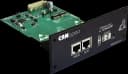
FBC0232-01
FBC0232-01 CANopen Input Card
CANopen card chaining sensors across panels and the transformer room
View product ←
FTR0100-01
PT100 Temperature Sensor
PT100 sensor for transformer oil temperature
View product ←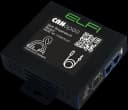
FTD3070-01
Spot Temperature Sensor
Spot temperature sensor on joints and busbars
View product ←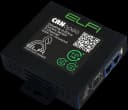
FAC0420-02
3-Channel 4–20 mA Current Sensor
3-channel 4–20 mA input for the winding monitor and other transmitters
View product ←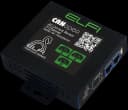
FAC2000-03
3-Channel AC Current Sensor
3-channel AC current sensor for feeder load
View product ←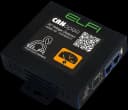
FAV0220-03
AC Voltage Level Sensor
AC voltage-level sensor for supply quality and sag
View product ←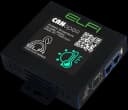
FTA3070-01
Temperature and Humidity Sensor
Substation room temperature and humidity sensor
View product ←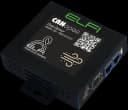
FMD1210-01
Ambient Dust Sensor
Dust sensor tracking dust deposition in a mine substation
View product ←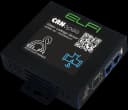
FDW0050-01
Water Leak Sensor
Water-leak sensor in the cable trench and on the floor
View product ←Alarm and automation rules
- 1
One phase deviating from the other two beyond the allowed band: hot-joint alarm with its exact location.
- 2
Oil temperature above threshold under heavy load: overload alarm with the insulation-life impact logged.
- 3
Voltage sag beyond sensitive equipment's tolerance: event logged for line-stoppage root-cause work.
- 4
Substation humidity above 70 % with dust present: panel heaters switched on by relay.
- 5
Any water on the cable-trench sensing cable: immediate top-priority alarm.
What the operator gets
Outages from hot joints and flashover are contained before they happen.
Voltage sag becomes provable as a stoppage cause, giving the discussion with the utility a data basis.
Transformer life is preserved by managing load against temperature.
Frequently asked questions
Our substation is a long way from the control room.
Two options: a standalone logger at the substation reporting over network or GSM, or LoRa wireless sensors reaching up to 1 km line of sight back to the control room. Mine substations usually take the first, because the alarm must still be recorded locally when the link is down.
Will the data connect to the plant's existing SCADA?
Yes. The logger supports Modbus/TCP and Modbus/RTU with no extra card, plus SNMP, so it is added to the SCADA as a data source with no change to the existing system.
Related solutions
Want this solution on your own site?
Send us the site details and we will put together the equipment list and a technical proposal to match.