
Mine tunnel ventilation monitoring
Monitors air quality, ventilation flow, temperature and fan operation in mine tunnels, guaranteeing breathable air at the face while optimising ventilation power.
Why this monitoring is needed
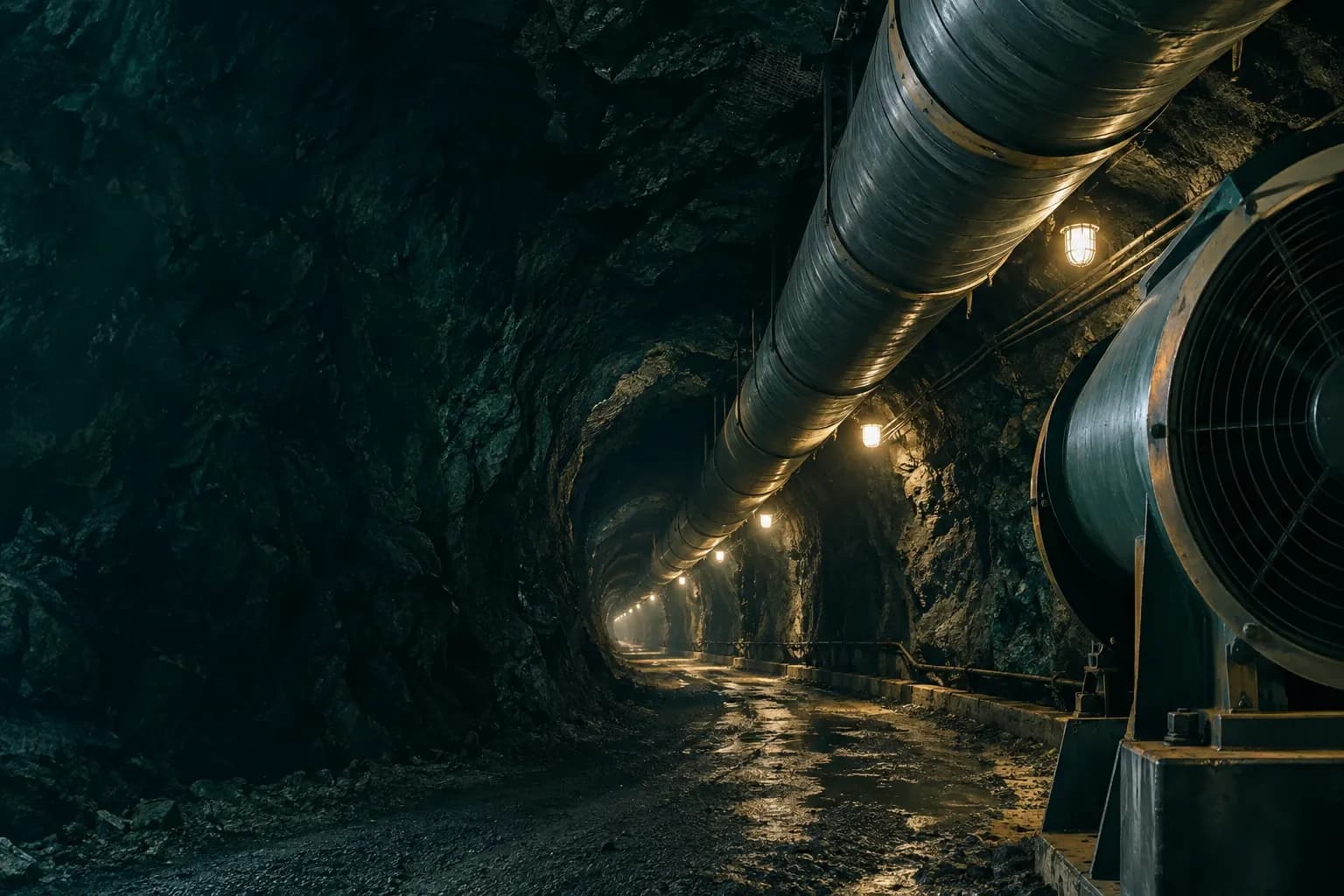
Tunnel ventilation is both a life-safety matter and an underground mine's largest electrical load. The two usually conflict: the safe route is to run every fan at all hours and the economical route is to switch them off. Measurement is the only thing that resolves the conflict.
The critical point is that a fan fails silently. A fan with power but not turning — a broken belt or a jammed impeller — looks exactly like a working one from outside, while the face downstream of it has effectively no ventilation.
What gets measured
Hazardous gases at the face
A 4–20 mA CO, methane or NOx detector is selected to match the mine type.
Respirable dust
The dust sensor reads PM1, PM2.5 and PM10; the fine fraction is the miner's principal occupational hazard.
Air flow and velocity
A 4–20 mA air velocity transmitter proves air actually reaches the face.
Real fan operation
Each fan's motor current separates "the fan has power" from "the fan is moving air".
Tunnel temperature and humidity
Tunnel temperature rises with depth, and high humidity compounds heat stress on the workforce.
Recommended equipment
Every model below is from the Fidar Electronics range. The final combination is set after a site survey or an engineering consultation.
FCD6455-01
FIDAQUIRE FCD6455-01 Industrial Data Logger
Central logger with continuous recording and output to the mine control system
View product ←
FBC0232-01
FBC0232-01 CANopen Input Card
CANopen card chaining sensors along the tunnel, up to 500 m of bus
View product ←
FAC0420-02
3-Channel 4–20 mA Current Sensor
3-channel 4–20 mA input for gas detectors and the air velocity sensor
View product ←
FMD1210-01
Ambient Dust Sensor
Dust sensor at the face and transfer points
View product ←
FTA3070-01
Temperature and Humidity Sensor
Tunnel temperature and humidity sensor
View product ←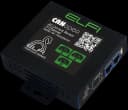
FAC2000-03
3-Channel AC Current Sensor
3-channel AC current sensor for the ventilation fans
View product ←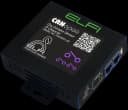
FDD0001-02
3-Channel Dry Contact Detector
3-channel dry-contact detector for overload and fan panel faults
View product ←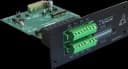
FDR0508-01
FDR0508-01 8-Channel Relay Output Card
8-channel relay card for staged fan control and the evacuation siren
View product ←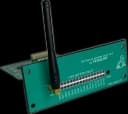
FWL1600-01
FWL1600-01 LoRa Wireless Card (16 Nodes)
LoRa card for points where cabling is impractical
View product ←Alarm and automation rules
- 1
Gas above the first threshold: ventilation increased by relay. Above the second: evacuation siren.
- 2
Face air velocity below the required minimum: immediate alarm, even when the fans have power.
- 3
One fan's current lost while commanded on: failure alarm naming the fan.
- 4
Respirable dust above the occupational limit: safety alarm with more ventilation or water spray.
- 5
Staged ventilation reduction in non-working periods, only while every gas and dust index sits below threshold.
What the operator gets
Air quality at the face is measured and documented instead of assumed.
A failed fan that looks healthy is identified immediately.
Ventilation power falls by running to measured indices, with no reduction in safety.
Frequently asked questions
Mine gas detectors must be explosion-proof — what about your equipment?
Gas detectors come from a maker certified for the classified zone, and what sits in the hazardous area is that detector behind a safety barrier. The logger and cards are installed in the control room or a safe enclosure outside the zone — the standard instrumentation practice in mining.
Does this replace personal gas monitors?
No, and it must not. A personal monitor is each miner's last line of defence and stays exactly where it is. The fixed system is the layer before it: continuously measuring ventilation, finding a failed fan before gas reaches threshold, and building an auditable history.
Related solutions
Want this solution on your own site?
Send us the site details and we will put together the equipment list and a technical proposal to match.