
Battery room monitoring
Monitors a substation, data-centre or telecom battery room for voltage, charge current, ambient temperature and ventilation, so a failing bank is found before the moment it is needed.

Why this monitoring is needed
A battery bank is the one asset whose health only becomes visible at the worst possible moment. While the mains is up, a half-dead bank looks exactly like a healthy one; the difference appears in the second when nothing can be done about it.
Temperature sets battery life: every 10 °C of extra ambient roughly halves the service life of a lead-acid cell. A battery room that sits at 35 °C in summer will consume a ten-year bank in four, and that cost appears nowhere unless the temperature is recorded.
What gets measured
Bank and string voltage
A 0–24 V DC voltage-level sensor on the strings, with a 4–20 mA input for a transmitter on higher-voltage banks.
Charge and discharge current
A DC current sensor logs float charge and discharge current; abnormal charge current is the signature of a failing cell.
Battery room ambient temperature
Temperature is read at several points — heat concentrated on one row of cells is invisible in a room average.
Ventilation fan operation
Fan motor current is monitored to separate "the fan is running" from "the fan has power" — hydrogen build-up starts exactly at that difference.
Electrolyte and water leaks
Sensing cable on the floor under each battery row catches a leak before it corrodes the structure and busbars.
Recommended equipment
Every model below is from the Fidar Electronics range. The final combination is set after a site survey or an engineering consultation.
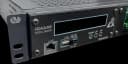
FCD6455-01
FIDAQUIRE FCD6455-01 Industrial Data Logger
Central logger with the long history needed to analyse battery ageing
View product ←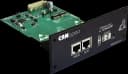
FBC0232-01
FBC0232-01 CANopen Input Card
CANopen card covering many room points on a single cable
View product ←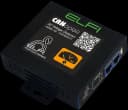
FAV0220-04
DC Voltage Level Sensor
0–24 V DC voltage-level sensor on the battery string
View product ←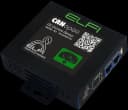
FAC2000-02
DC Current Sensor
DC current sensor for charge and discharge current
View product ←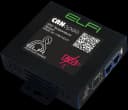
FTR0100-01
PT100 Temperature Sensor
PT100 sensor for spot temperature on the cell case
View product ←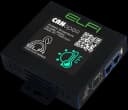
FTA3070-01
Temperature and Humidity Sensor
Room ambient temperature and humidity sensor
View product ←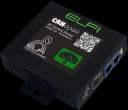
FAC2000-01
AC Current Sensor
AC current sensor proving the ventilation fan motor is turning
View product ←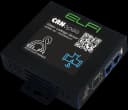
FDW0050-01
Water Leak Sensor
Leak sensor with sensing cable under the battery rows
View product ←
FAC0420-01
4–20 mA Current Sensor
4–20 mA input for a hydrogen gas detector
View product ←
FDR0102-01
2-Channel Relay Module
Relay module driving the emergency ventilation fan
View product ←Alarm and automation rules
- 1
Ambient above 25 °C: battery-life warning. Above 35 °C: critical — the ageing rate multiplies.
- 2
String voltage outside the float window: charger fault or failed cell alarm.
- 3
Sustained charge current above float: shorted-cell signature, flagged for immediate inspection.
- 4
Fan motor current lost while temperature is high: ventilation failure, emergency fan commanded by relay.
- 5
Any water or electrolyte on the sensing cable: immediate SMS alarm.
What the operator gets
A failing bank is found in the data, not in the first power cut.
The temperature history becomes objective grounds for warranty claims and a replacement plan.
Verified ventilation moves the hydrogen risk from an assumption to a measurement.
Frequently asked questions
Is per-cell voltage measured as well?
Fidar's DC voltage-level sensor reads up to 24 V, so it covers 12 V and 24 V strings directly and larger banks through a 4–20 mA transmitter. Per-cell monitoring on a large bank is a dedicated BMS job; in that case Fidar's system reads the BMS output and files it in one history alongside temperature, current and ventilation.
Which sensor should measure battery temperature?
For room ambient, the temperature and humidity sensor; for cell-case temperature, the PT100, which makes direct contact and covers −50 to 250 °C. The difference between the two is what exposes a cell going into thermal runaway.
Related solutions
Want this solution on your own site?
Send us the site details and we will put together the equipment list and a technical proposal to match.