
Compressed air system monitoring
Measures network pressure, compressor temperature, motor current and real air consumption to expose leaks and needless compressor loading.

Why this monitoring is needed
Compressed air is the most expensive form of energy in a plant and in most plants 20–30 % of it is lost to leaks. A leak makes no noise you would notice and appears on no separate bill; it only shows up in the compressor's overnight consumption, when nothing is meant to be running.
The second issue is set pressure above requirement. Every extra bar adds roughly 7 % to compressor power. Plants raise pressure to satisfy one machine at the end of the line, without realising the cost is applied across the entire network.
What gets measured
Network pressure at several points
Pressure transmitters at the compressor outlet and the far end of the line; the difference measures piping loss.
Compressor motor current
The ratio of loaded time to total run time is the key efficiency metric and the leak indicator.
Discharge air and oil temperature
High discharge temperature means a fouled cooler or degraded oil — both precede a breakdown.
Air flow consumption
A 4–20 mA compressed-air flow meter gives each hall's real consumption.
Dew point and dryer
Dryer operation is monitored by temperature and its alarm dry contact; wet air destroys pneumatic tooling.
Recommended equipment
Every model below is from the Fidar Electronics range. The final combination is set after a site survey or an engineering consultation.
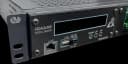
FCD6455-01
FIDAQUIRE FCD6455-01 Industrial Data Logger
Central logger for load-ratio analysis and overnight consumption
View product ←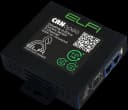
FAC0420-02
3-Channel 4–20 mA Current Sensor
3-channel 4–20 mA input for pressure transmitters and the flow meter
View product ←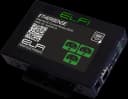
FAC2000-23
3-Channel Networked AC Current Sensor
3-channel AC current sensor for the compressor motor
View product ←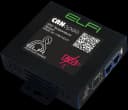
FTR0100-01
PT100 Temperature Sensor
PT100 sensor for discharge air and oil temperature
View product ←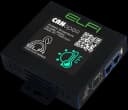
FTA3070-01
Temperature and Humidity Sensor
Compressor room temperature and humidity sensor
View product ←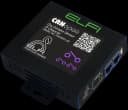
FDD0001-02
3-Channel Dry Contact Detector
3-channel dry-contact detector for dryer, filter and compressor alarms
View product ←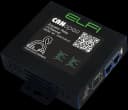
FDR0102-01
2-Channel Relay Module
Relay module closing the main network valve outside working hours
View product ←Alarm and automation rules
- 1
Air consumption outside working hours above threshold: leak alarm with an estimated loss percentage.
- 2
Compressor loaded-time ratio higher than the current production justifies: leak or over-capacity alarm.
- 3
Pressure drop from compressor outlet to line end beyond the allowed band: filter fouling or undersized piping alarm.
- 4
Discharge temperature above threshold: cooler alarm ahead of a thermal trip.
- 5
Automatic main-valve closure at end of shift so overnight leakage is not charged to the compressor.
What the operator gets
Network leakage moves from a guess to a measured figure and gets a repair priority.
Set pressure is lowered against evidence, cutting compressor power directly.
Thermal failure of the compressor is prevented by an early discharge-temperature warning.
Frequently asked questions
How do we learn what percentage of air is lost to leaks?
By measuring consumption in a window when nothing should be running — typically overnight or at the weekend. Every cubic metre used then is leakage. The system computes that figure daily and keeps its trend, so the effect of each repair is immediately visible.
Where should the compressed-air flow meter go?
On the main line after the receiver and dryer, with enough straight pipe run either side. To break consumption down per hall you need a meter on each branch — and that split is what narrows a leak to one area.
Related solutions
Want this solution on your own site?
Send us the site details and we will put together the equipment list and a technical proposal to match.