
OEE and production downtime monitoring
Records every machine's run and stop from motor current and panel contacts, turning lost production time into a number.
Why this monitoring is needed
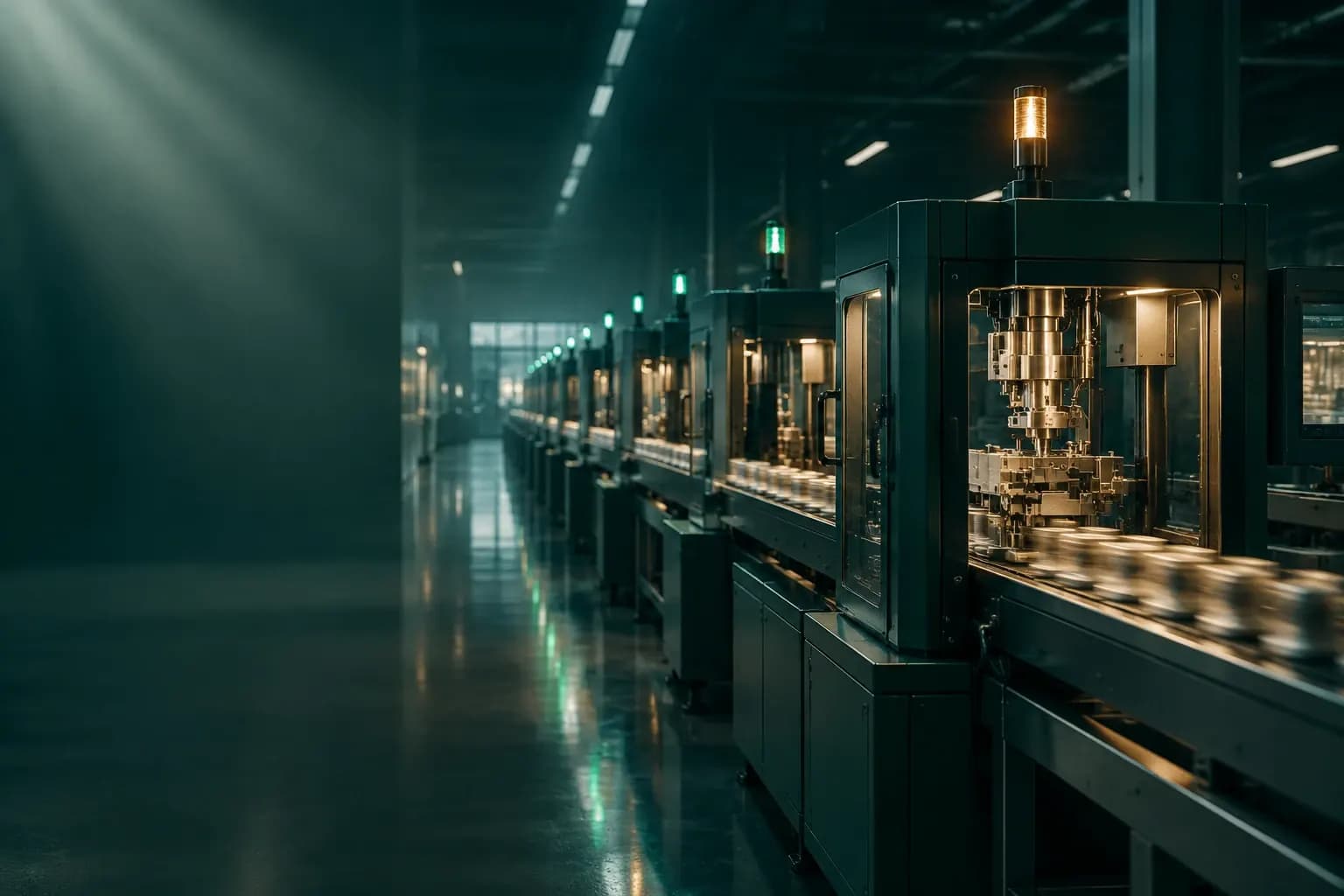
In most plants, line stoppages are recorded in a handwritten log filled in by the shift supervisor — and short stops never make it in. Yet those two- and three-minute stops usually add up to more than the big ones. What is not recorded is never fixed.
The second problem is competing narratives. Production says the machine was down; maintenance says the machine was fine and material did not arrive. The only way to end that argument is an automatic, impartial record of when the stop happened and why.
What gets measured
Real run time per machine
Main motor current says directly whether the machine is turning — a figure nobody can adjust.
Micro-stops
Continuous sampling captures the few-minute stops that disappear from a manual log.
Stop cause from the panel
Dry contacts for panel fault, emergency stop and material call attach a cause to each stop.
Production count
Part-counter pulses on a digital input give the real production rate.
Line panel power
An AC voltage detector separates a power-cut stop from a machine failure.
Recommended equipment
Every model below is from the Fidar Electronics range. The final combination is set after a site survey or an engineering consultation.
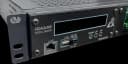
FCD6455-01
FIDAQUIRE FCD6455-01 Industrial Data Logger
Central logger consolidating every machine's run record into one history
View product ←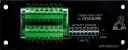
FDM0800-01
FDM0800-01 Digital Input Card
Digital input card for part counting and status inputs
View product ←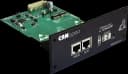
FBC0232-01
FBC0232-01 CANopen Input Card
CANopen card chaining current sensors along the hall
View product ←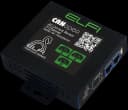
FAC2000-03
3-Channel AC Current Sensor
3-channel AC current sensor covering three machines in one part
View product ←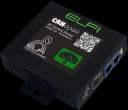
FAC2000-01
AC Current Sensor
Single-channel AC current sensor for the key machines
View product ←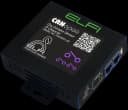
FDD0001-02
3-Channel Dry Contact Detector
3-channel dry-contact detector for fault, e-stop and material call
View product ←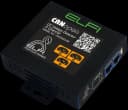
FAV0220-05
3-Channel AC Voltage Detector
3-channel AC voltage detector for the line panels
View product ←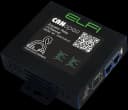
FDR0102-01
2-Channel Relay Module
Relay module for the Andon light and supervisor call
View product ←Alarm and automation rules
- 1
Machine current lost beyond a time threshold: stop recorded with start time and auto-classified.
- 2
Micro-stops on one machine exceeding a per-shift count: recurring-fault pattern alarm.
- 3
Production rate below the shift target: supervisor call through the relay and Andon light.
- 4
A stop coinciding with panel voltage loss: classified as a power cut, not a machine fault.
- 5
Automatic end-of-shift report splitting run time, planned downtime and unplanned downtime.
What the operator gets
Micro-stops, the biggest hidden loss on a line, become visible for the first time.
The production-versus-maintenance argument ends with impartial data.
Repairs are prioritised by real lost time rather than by who complained loudest.
Frequently asked questions
Does this connect to the line PLC?
If the PLC exposes Modbus, yes — the FIDAQUIRE logger supports Modbus/TCP and RTU with no extra card. The important point is that current-based monitoring does not depend on a PLC at all and works on old machines without one, which are usually the ones that stop most.
Full OEE includes quality — how is that captured?
Availability and performance come straight from current and part count. Quality rate normally comes from scrap recording — either a digital input from the inspection station or manual entry in the quality system — and is placed in the same report beside the other two.
Related solutions
Want this solution on your own site?
Send us the site details and we will put together the equipment list and a technical proposal to match.