
Transformer and switchgear monitoring
Monitors transformer winding and oil temperature, panel joint temperature, feeder load and substation humidity so a hot joint is found before it starts a fire.
Why this monitoring is needed
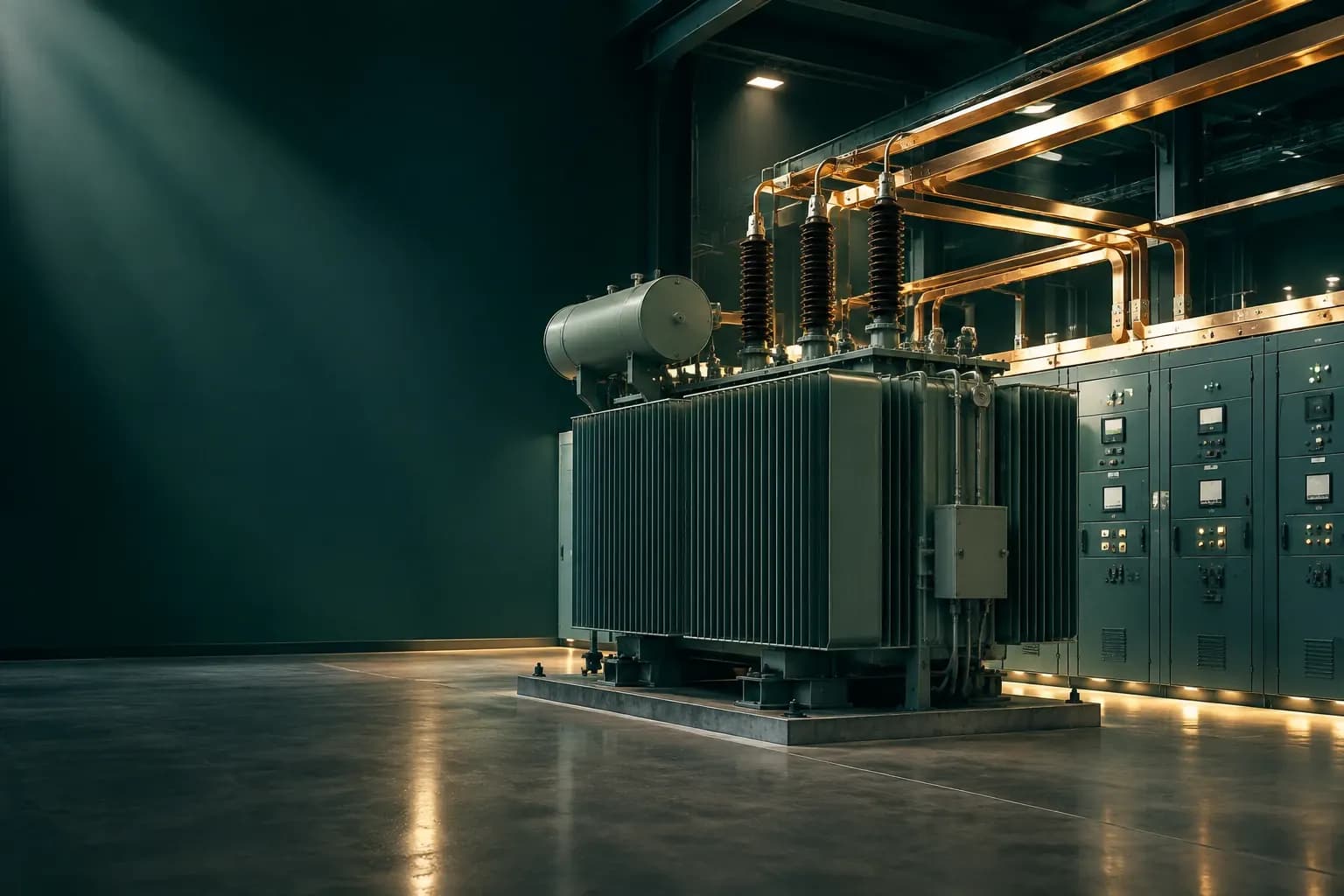
Most switchboard fires start at one loose joint. A loose joint develops resistance, resistance makes heat, and heat loosens the joint further; the cycle runs for weeks and its only symptom throughout is a few degrees of temperature difference that nobody sees.
The transformer has its own story. Insulation life is a function of winding temperature, and overloading on hot days takes years off it. That ageing never appears as a sudden fault — the transformer simply fails earlier than it should have.
What gets measured
Transformer oil and winding temperature
A PT100 in the oil pocket plus the 4–20 mA output of the winding temperature monitor.
Joint and busbar temperature
A spot temperature sensor on key joints; one phase running warmer than the other two exposes the loose connection.
Feeder load
Per-feeder current through a CT shows the transformer's real loading and how it is spread.
Substation humidity and water ingress
High humidity creates a discharge path; water in a substation is the prelude to a short circuit.
Protection relay status
Trip, Buchholz and transformer temperature alarm dry contacts are timestamped.
Recommended equipment
Every model below is from the Fidar Electronics range. The final combination is set after a site survey or an engineering consultation.
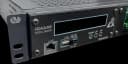
FCD6455-01
FIDAQUIRE FCD6455-01 Industrial Data Logger
Substation logger with event recording, SNMP output and SMS alarms
View product ←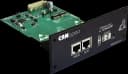
FBC0232-01
FBC0232-01 CANopen Input Card
CANopen card chaining temperature sensors across the panels
View product ←
FTR0100-01
PT100 Temperature Sensor
PT100 sensor for transformer oil temperature
View product ←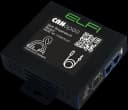
FTD3070-01
Spot Temperature Sensor
Spot temperature sensor on joints and busbars
View product ←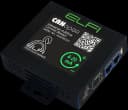
FAC0420-01
4–20 mA Current Sensor
4–20 mA input for the winding temperature monitor
View product ←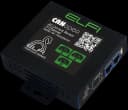
FAC2000-03
3-Channel AC Current Sensor
3-channel AC current sensor for feeder load
View product ←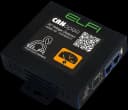
FAV0220-03
AC Voltage Level Sensor
AC voltage-level sensor for supply quality
View product ←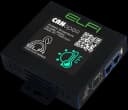
FTA3070-01
Temperature and Humidity Sensor
Substation room temperature and humidity sensor
View product ←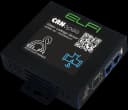
FDW0050-01
Water Leak Sensor
Water-leak sensor on the substation floor and cable trench
View product ←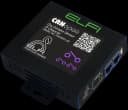
FDD0001-02
3-Channel Dry Contact Detector
3-channel dry-contact detector for trip, Buchholz and transformer alarms
View product ←Alarm and automation rules
- 1
One phase's temperature deviating from the other two beyond the allowed band: hot-joint alarm with its exact location.
- 2
Oil temperature above threshold under high load: overload alarm with the insulation-life impact logged.
- 3
Substation humidity above 70 %: heater or dehumidifier switched on by relay.
- 4
Any water on the substation floor sensing cable: immediate top-priority alarm.
- 5
Any protection relay operating: timestamped record with simultaneous SMS and email.
What the operator gets
A loose joint is found while it is merely warm, not once it is burning.
Transformer loading is managed against temperature, preserving insulation life.
The sequence of events in every trip is recorded, making incident analysis conclusive.
Frequently asked questions
Does this replace periodic thermography?
It complements it. Thermography takes one picture at one moment and finds the hot spots present during that visit; continuous monitoring watches the same points around the clock and, crucially, catches the joint that is cool at low load and hot at peak — something a Friday-afternoon survey never sees.
How is a sensor installed on a live busbar?
A contact sensor on a busbar must be fitted with the panel de-energised by an authorised team. Where an outage is impossible, the sensor is mounted at a safe distance on the enclosure or near the joint — the relative temperature trend still exposes the hot connection.
Related solutions
Want this solution on your own site?
Send us the site details and we will put together the equipment list and a technical proposal to match.