
Kiln and paint line monitoring
Records kiln, paint-curing tunnel and part-path temperature with Type-K thermocouples, so every batch's thermal profile becomes a quality record.

Why this monitoring is needed
The quality of a paint finish or a ceramic firing depends entirely on one thing: how long the part spent at what temperature. If tunnel temperature drops 20 °C the part comes out looking fine and delaminates months later in the customer's hands. Without a recorded profile that failure cannot be traced to any particular batch.
The second issue is fuel. Kilns are a plant's largest energy consumer and most run hotter than they need to, because the operator adds margin for safety. Once the real temperature at every point is recorded, that margin can be reduced with evidence.
What gets measured
Kiln zone temperature
A Type-K thermocouple in each zone of the kiln and curing tunnel, independently.
Part surface temperature
Tunnel air temperature is not the part's temperature; a contact sensor on a witness sample shows the gap.
Pre-heat and dryer temperature
A PT100 covering −50 to 250 °C for the dryer and pre-heat stages.
Circulation fan motor current
Temperature uniformity depends on air circulation; a weak fan creates a cold spot.
Burner status and panel faults
Burner dry contacts and panel alarms separate a genuine temperature drop from a sensor failure.
Recommended equipment
Every model below is from the Fidar Electronics range. The final combination is set after a site survey or an engineering consultation.
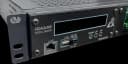
FCD6455-01
FIDAQUIRE FCD6455-01 Industrial Data Logger
Central logger recording each batch's thermal profile with XLS export
View product ←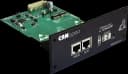
FBC0232-01
FBC0232-01 CANopen Input Card
CANopen card chaining the kiln zone sensors
View product ←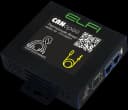
FTH1260-01
Type-K Thermocouple Sensor
Type-K thermocouple sensor for high kiln temperatures
View product ←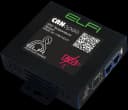
FTR0100-01
PT100 Temperature Sensor
PT100 sensor for the dryer and pre-heat stages
View product ←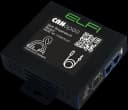
FTD3070-01
Spot Temperature Sensor
Spot temperature sensor for part surfaces and contact points
View product ←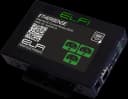
FAC2000-23
3-Channel Networked AC Current Sensor
3-channel AC current sensor for the circulation fans
View product ←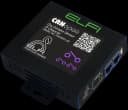
FDD0001-02
3-Channel Dry Contact Detector
3-channel dry-contact detector for burner and panel alarms
View product ←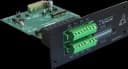
FDR0508-01
FDR0508-01 8-Channel Relay Output Card
8-channel relay card for siren, conveyor stop and interlocks
View product ←Alarm and automation rules
- 1
Any zone outside the product's defined window: immediate alarm naming the zone.
- 2
Temperature falling while the burner is off: burner-failure alarm rather than a process deviation.
- 3
Circulation fan current lost: alarm — uniformity disappears immediately.
- 4
Automatic capture of each batch's full profile with number and timestamp, to attach to the quality certificate.
- 5
Point-to-point spread inside a zone beyond the allowed band: cold-spot alarm.
What the operator gets
Each batch carries its own thermal record, making a quality claim provable.
The excess temperature margin is reduced against evidence, cutting fuel consumption.
Burner and fan failures are caught before a defective batch is produced.
Frequently asked questions
Which sensor covers temperatures above 250 °C?
A Type-K thermocouple. Fidar's PT100 and spot sensors cover up to 250 °C; above that a thermocouple is required. Getting this wrong is the most expensive instrumentation mistake on a kiln, because the sensor is destroyed in the first batch.
Can the thermal profile be handed to the customer as evidence?
Yes. Data exports to XLS, CSV, JSON and XML over the network or the USB port, with every batch timestamped — that file becomes the attachment to the quality certificate.
Related solutions
Want this solution on your own site?
Send us the site details and we will put together the equipment list and a technical proposal to match.