
Grain silo monitoring
Monitors grain temperature layer by layer, warehouse humidity and aeration fan operation, so a self-heating hot spot is found before the cargo spoils.

Why this monitoring is needed
Grain in a silo is alive: it respires, generates heat, and where local moisture rises it begins to self-heat at a single point. By the time the smell reaches the outside, several tonnes are usually gone. The only way to see this coming is to measure temperature inside the grain mass, not in the air above it.
Aeration also has to be intelligent. Running the fans at the wrong hour — when outside air is wetter than the grain — pushes moisture into the silo and makes matters worse. The right decision requires comparing inside and outside temperature and humidity at the same moment.
What gets measured
Grain temperature by depth
A multi-point PT100 or thermocouple cable through the grain mass; a hot spot always starts at one specific point.
Warehouse air temperature and humidity
Conditions in the headspace and outside form the basis of the aeration decision.
Aeration fan operation
Motor current proves the fan is moving air, not merely drawing power.
Warehouse dust
Grain dust is explosive; monitoring particulate covers both safety and equipment health.
Silo fill level
A 4–20 mA level transmitter gives each silo's real inventory.
Recommended equipment
Every model below is from the Fidar Electronics range. The final combination is set after a site survey or an engineering consultation.
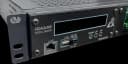
FCD6455-01
FIDAQUIRE FCD6455-01 Industrial Data Logger
Central logger for several silos with comparison-based aeration logic
View product ←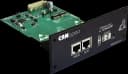
FBC0232-01
FBC0232-01 CANopen Input Card
CANopen card chaining the silo sensors on one cable
View product ←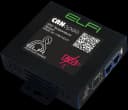
FTR0100-01
PT100 Temperature Sensor
PT100 sensor for grain-mass depth points
View product ←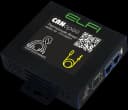
FTH1260-01
Type-K Thermocouple Sensor
Thermocouple sensor for long multi-point temperature cables
View product ←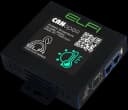
FTA3070-01
Temperature and Humidity Sensor
Temperature and humidity sensor for warehouse and outside air
View product ←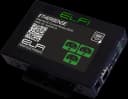
FAC2000-23
3-Channel Networked AC Current Sensor
3-channel AC current sensor for the aeration fans
View product ←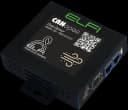
FMD1210-01
Ambient Dust Sensor
Dust sensor for warehouse particulate
View product ←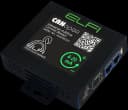
FAC0420-01
4–20 mA Current Sensor
4–20 mA input for the silo level transmitter
View product ←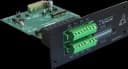
FDR0508-01
FDR0508-01 8-Channel Relay Output Card
8-channel relay card commanding the aeration fans
View product ←Alarm and automation rules
- 1
One point rising above its neighbours beyond the allowed band: self-heating alarm with the point's location.
- 2
Aeration permitted only when outside absolute humidity is below that of the headspace air.
- 3
Fan current lost while aeration is commanded: fan-failure alarm.
- 4
Dust above threshold: safety alarm and discharge operations halted.
- 5
Daily temperature-map report per silo for the store manager.
What the operator gets
Spoilage is stopped at the hot-spot stage rather than after several tonnes are affected.
Aeration runs only in useful hours, cutting fan power consumption.
Storage quality is documented for the buyer and the insurer.
Frequently asked questions
How many temperature points does one silo need?
It depends on silo diameter and height. The practical rule is several vertical cables at regular spacing with several points on each, so no region sits more than a few metres from the nearest point. A CANopen card carries up to 64 sensors on one cable, so adding points does not mean new home runs.
Do silos far from the control room need cabling?
Not necessarily. The LoRa wireless models reach up to 1 km line of sight and pair with the FWL1600-01 receiver card, which removes long cable runs across a scattered site.
Related solutions
Want this solution on your own site?
Send us the site details and we will put together the equipment list and a technical proposal to match.