
Predictive motor and pump monitoring
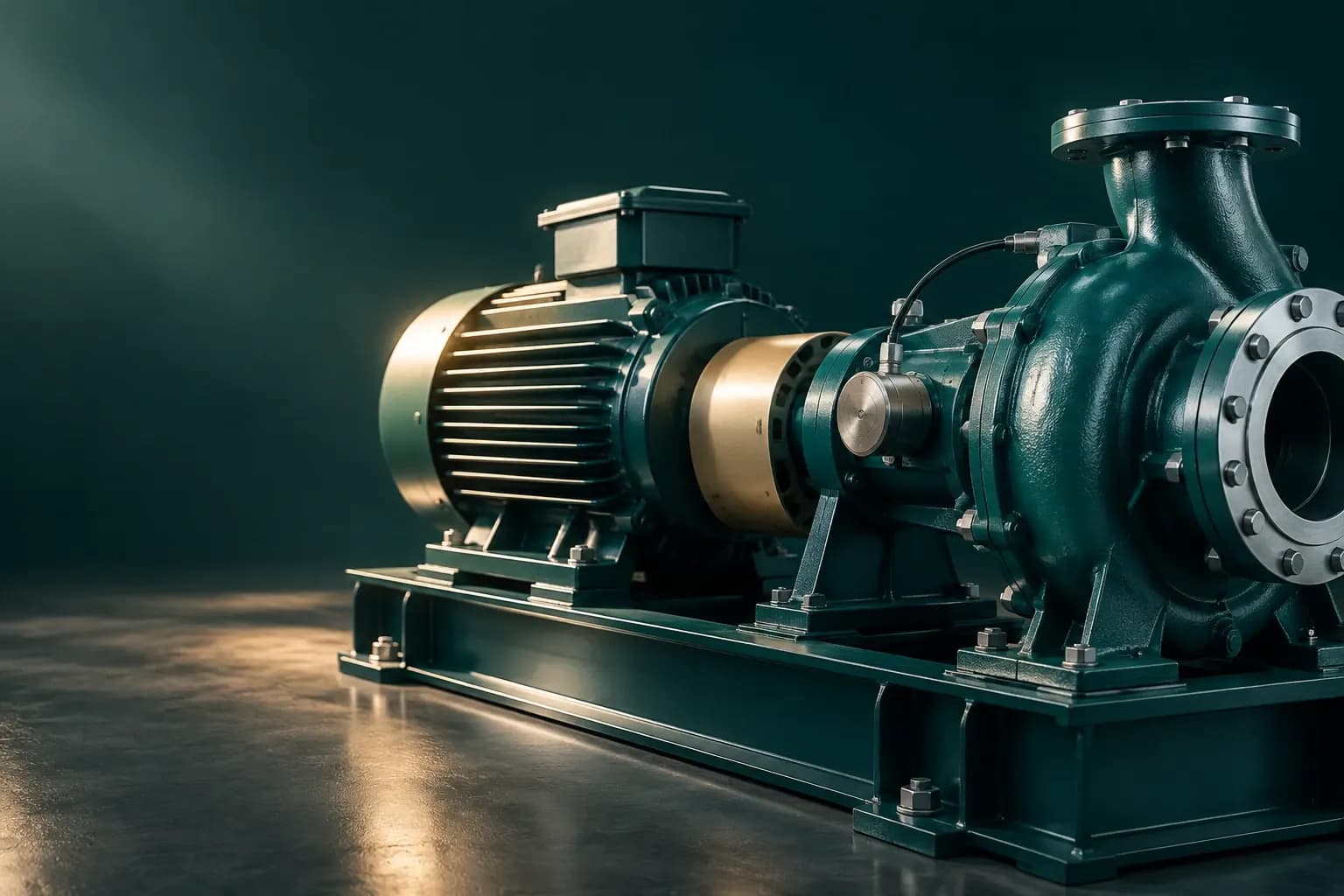
Records motor and pump current, bearing temperature and impact, so mechanical failure appears in the data weeks before it stops the line.
Why this monitoring is needed
A failing bearing does not die overnight; it degrades over months and gives three signals the whole time: current creeps up, bearing temperature rises a few degrees, and vibration increases. None is large enough to notice on a daily walk-round, yet all three are plainly visible in the trend.
The gap between a planned replacement and a sudden failure can be a hundredfold — not in the price of the part, but in line downtime and secondary damage. Continuous monitoring sells exactly that difference.
What gets measured
Three-phase motor current
Current creeping up at constant load means friction has increased; phase imbalance points to a winding problem.
Bearing temperature
A PT100 in direct contact with the bearing housing; a few degrees of rise appears weeks before failure.
Vibration and impact
The shock sensor logs rising horizontal and vertical vibration — misalignment and imbalance start here.
Motor body temperature
A hot body at normal load means blocked motor ventilation or a weakening winding.
Running hours and start count
The real basis for the lubrication and replacement plan is running time, not the calendar.
Recommended equipment
Every model below is from the Fidar Electronics range. The final combination is set after a site survey or an engineering consultation.
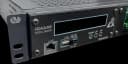
FCD6455-01
FIDAQUIRE FCD6455-01 Industrial Data Logger
Central logger with the long history trend analysis needs
View product ←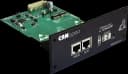
FBC0232-01
FBC0232-01 CANopen Input Card
CANopen card chaining sensors across dozens of machines
View product ←
FAC2000-03
3-Channel AC Current Sensor
3-channel AC current sensor for each motor's three phases
View product ←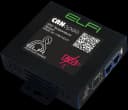
FTR0100-01
PT100 Temperature Sensor
PT100 sensor for bearing housing temperature
View product ←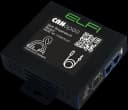
FTD3070-01
Spot Temperature Sensor
Spot temperature sensor for the motor body
View product ←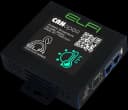
FDS0202-01
Shock Detection Sensor
Shock detection sensor for horizontal and vertical vibration
View product ←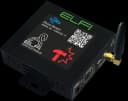
FDS0202-11
Wireless Shock Detection Sensor
Wireless shock sensor for machines far from the panel
View product ←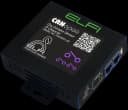
FDD0001-02
3-Channel Dry Contact Detector
3-channel dry-contact detector for overload and contactor command
View product ←Alarm and automation rules
- 1
Current above a set percentage over the machine's own baseline at comparable load: trend alarm.
- 2
Bearing temperature a few degrees above its historical average: predictive-maintenance alarm.
- 3
Vibration rising steadily over several days: alignment and balance inspection request raised.
- 4
Phase current imbalance beyond the allowed band: winding or contactor fault alarm.
- 5
Running hours reaching the lubrication interval: automatic reminder based on real usage.
What the operator gets
Parts are replaced on plan and unplanned line stops disappear.
Lubrication follows running hours, controlling both under-greasing and grease waste.
Spare-part stocking is driven by prediction rather than by fear.
Frequently asked questions
Does this system perform vibration spectrum (FFT) analysis?
No. Fidar's shock sensor measures vibration and impact level, not its frequency spectrum. Identifying the exact defect — inner versus outer bearing race, say — needs a dedicated vibration analyser. What this system provides is early detection that something is getting worse, at far lower cost and across dozens of machines rather than a few.
How is each machine's baseline established?
By recording a few weeks of normal operation. Thresholds are set relative to that machine's own baseline rather than an absolute figure, because two similar motors in two applications behave differently and a shared threshold is wrong for both.
Related solutions
Want this solution on your own site?
Send us the site details and we will put together the equipment list and a technical proposal to match.