
Cooling tower and water treatment monitoring
Monitors cooling towers and water treatment plant for water temperature, fan and pump operation, filter pressure and leaks, protecting both cooling efficiency and water quality.

Why this monitoring is needed
The cooling tower is the heart of cooling in any large building or plant, and a drop in its performance propagates through the whole system: the chiller works harder to compensate and power consumption climbs. That decline is invisible by looking at the tower — only the inlet-to-outlet water temperature difference shows it.
On the treatment side the problem is fouling. A saturated filter throttles flow and loads the pump. The right moment to wash is set by differential pressure, not by the calendar: too early wastes water, too late wears the equipment.
What gets measured
Tower inlet and outlet water temperature
The difference between them — the tower range — is the primary efficiency metric and has to be logged continuously.
Ambient air temperature and humidity
Tower performance depends on wet-bulb temperature; without this data any judgement about the tower is meaningless.
Fan and circulation pump operation
Fan and pump motor current prove both are actually turning; a fan with a broken belt still draws power but moves no air.
Pressure before and after the filter
4–20 mA pressure transmitters on both sides identify filter saturation from the pressure drop.
Basin level and water leaks
A basin level transmitter and leak sensing cable in the equipment area make water loss visible.
Recommended equipment
Every model below is from the Fidar Electronics range. The final combination is set after a site survey or an engineering consultation.
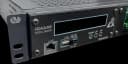
FCD6455-01
FIDAQUIRE FCD6455-01 Industrial Data Logger
Central logger keeping tower performance and weather in one history
View product ←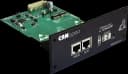
FBC0232-01
FBC0232-01 CANopen Input Card
CANopen card for the chain of sensors spread across roof and plant room
View product ←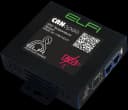
FTR0100-01
PT100 Temperature Sensor
PT100 in a thermowell for tower inlet and outlet water
View product ←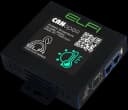
FTA3070-01
Temperature and Humidity Sensor
Ambient temperature and humidity sensor as the performance reference
View product ←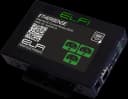
FAC2000-23
3-Channel Networked AC Current Sensor
3-channel AC current sensor for fan, circulation pump and treatment pump
View product ←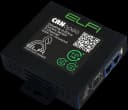
FAC0420-02
3-Channel 4–20 mA Current Sensor
3-channel 4–20 mA input for filter pressure and basin level
View product ←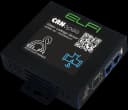
FDW0050-01
Water Leak Sensor
Water-leak sensor in the equipment area
View product ←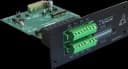
FDR0508-01
FDR0508-01 8-Channel Relay Output Card
8-channel relay card for backwash, chemical dosing and make-up valve
View product ←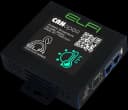
FDS0202-01
Shock Detection Sensor
Shock sensor for abnormal vibration in the tower gearbox and fan
View product ←Alarm and automation rules
- 1
Tower range shrinking against the reference under comparable weather: performance-loss alarm.
- 2
Fan or pump current lost while the system is running: immediate alarm.
- 3
Filter differential above threshold: relay-driven backwash with the event logged.
- 4
Basin level falling faster than the expected evaporation rate: leak alarm.
- 5
Abnormal gearbox vibration: maintenance alarm ahead of mechanical failure.
What the operator gets
Tower performance loss is caught before it shows up as chiller power consumption.
Filter washing follows pressure, cutting both water use and downtime.
Water lost to leaks appears the same day instead of on the water bill.
Frequently asked questions
Are conductivity and pH of the tower water monitored too?
Yes, through specialist transmitters with a 4–20 mA output. The system logs both and can drive blowdown and chemical dosing from them by relay, which limits chemical consumption to what is actually needed.
The sensors are on the roof, exposed to water and sun — will they last?
The water temperature sensor sits in a thermowell inside the pipe, not exposed at all. Ambient points are mounted in a protective enclosure with a sun shield, and for points far from the panel the LoRa wireless model removes rooftop cabling altogether.
Related solutions
Want this solution on your own site?
Send us the site details and we will put together the equipment list and a technical proposal to match.